Abstract
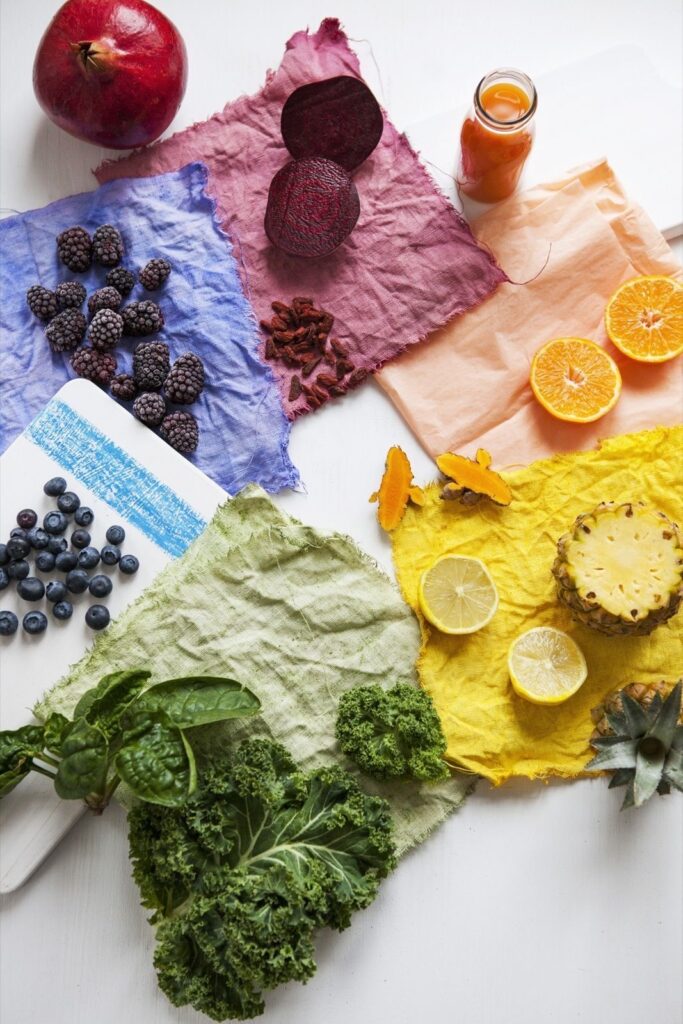
This study explores the methods of obtaining natural dyes and includes an experimental application using plant-based sources. In recent years, natural dyes have gained increasing attention as environmentally friendly alternatives to synthetic dyes, which are known to contain harmful chemicals and contribute to pollution. Within this context, natural dye solutions were prepared using materials such as red cabbage, turmeric, and tea, each selected for their distinct pigment properties.
The prepared dyes were applied to both fabric and paper surfaces in order to observe color formation, absorption, and permanence. Throughout the experiment, particular attention was given to how environmental factors—especially pH—affect the resulting colors. It was observed that some natural dyes, especially red cabbage, exhibited significant color changes under different pH conditions, ranging from purplish tones to greenish and bluish hues.
Additionally, differences in color intensity and durability were noted depending on the material used. The findings demonstrate that natural dyes not only provide a wide range of colors but can also be produced and applied using simple, accessible methods. Overall, this study highlights the practicality, sustainability, and creative potential of natural dyes as viable alternatives to synthetic coloring agents.
Introduction
The use of dyes dates back to ancient civilizations, where they were utilized both for decorative purposes and for protection against environmental factors. For example, ancient Egyptians coated their ships with substances such as tar and plant resins to protect them from water damage. Similarly, some of the earliest known artistic expressions, such as the cave paintings found in Lascaux (France) and Altamira (Spain), were created using natural pigments like iron oxides. These examples demonstrate that humans have long had a desire to add color to their surroundings and express themselves aesthetically.
Due to the limited technological resources of early societies, people relied entirely on naturally available materials to obtain pigments. Plants, minerals, and even insects were commonly used as sources of color. However, with the advancement of chemistry, synthetic dyes began to replace natural ones. A major turning point occurred in 1856, when the English chemist William Henry Perkin accidentally discovered the first synthetic dye, known as mauveine, derived from aniline. This discovery revolutionized the dye industry, leading to the rapid development and widespread use of synthetic dyes across Europe and eventually the rest of the world.
Today, synthetic dyes are widely used due to their strong color intensity, durability, and ease of application. They often contain chemical solvents, such as alkyd-based thinners, which improve performance and adhesion to surfaces. However, these same chemicals can pose environmental and health risks, increasing interest in safer and more sustainable alternatives.
In contrast, natural dyes can be produced using simple methods and are often used in everyday life, such as in handmade art projects, fabric dyeing, or even food coloring. For instance, natural pigments are sometimes added to foods to enhance their visual appeal. Additionally, many people are familiar with how certain fruits and vegetables—such as cherries, beets, and sour cherries—can leave stubborn stains on fabrics. This is due to the high concentration of natural pigments, which can strongly bind to fibers. Over time, and especially when exposed to heat, these pigments become even more fixed, making the stains difficult to remove.
Interestingly, the same property that makes these substances difficult to clean also makes them useful as natural dyes. When applied in a controlled manner, these pigments can provide long-lasting and vibrant colors on different surfaces. Therefore, materials that commonly cause stains can also serve as valuable dye sources.
In this study, this fundamental principle of natural pigmentation is explored through practical experimentation. Various plant-based materials were used to produce a range of colors, and their interactions with different surfaces were analyzed. The aim of this research is not only to demonstrate how natural dyes can be obtained, but also to evaluate their effectiveness, color variation, and permanence.
What distinguishes this study from others is the diversity of materials used and the variety of colors achieved. Each natural source produced unique tones and reactions, showing that natural dyeing is both a scientific and creative process. Furthermore, all dyes were prepared without the use of synthetic chemicals, emphasizing environmentally conscious practices. The results of this study suggest that natural dyes can be a practical, sustainable, and versatile option for both artistic and everyday applications. In conclusion, this study demonstrates that natural dyes can be effectively produced from easily accessible plant-based materials and applied to various surfaces such as fabric and paper. The experimental results clearly show that natural dyes are capable of creating a wide range of colors, with variations depending on factors such as the source material and environmental conditions, particularly pH levels.
One of the most significant findings of this research is the sensitivity of certain natural pigments to pH changes. For example, red cabbage exhibited noticeable color transformations under different conditions, highlighting the chemical nature of natural dyes and their potential use as natural pH indicators. This not only adds scientific value to the experiment but also shows that natural dyes can have multiple practical applications beyond simple coloring.
Additionally, the study revealed that the permanence and intensity of the colors vary depending on the material used and the method of application. While some dyes produced more vivid and lasting colors, others were lighter or less stable, indicating that further improvements or the use of natural fixatives could enhance their durability.
Overall, natural dyes present a sustainable and environmentally friendly alternative to synthetic dyes. They can be prepared with simple techniques, do not require harmful chemicals, and offer both aesthetic and functional benefits. This study supports the idea that natural resources can be used creatively and responsibly, encouraging further exploration in the field of eco-friendly chemistry.
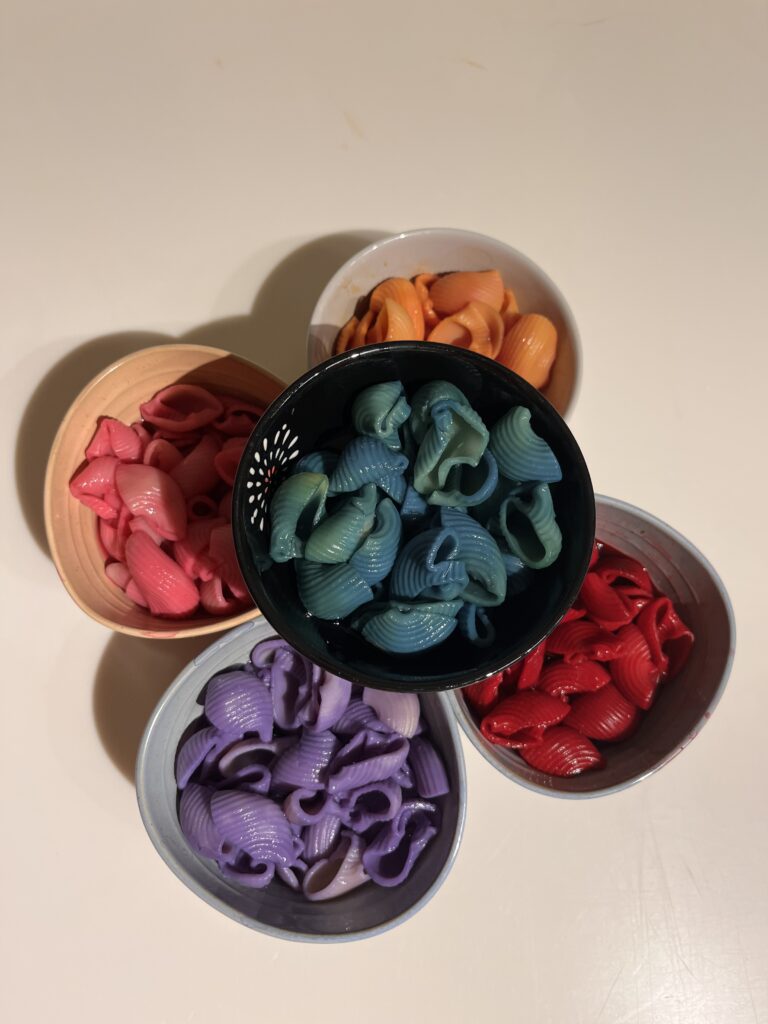
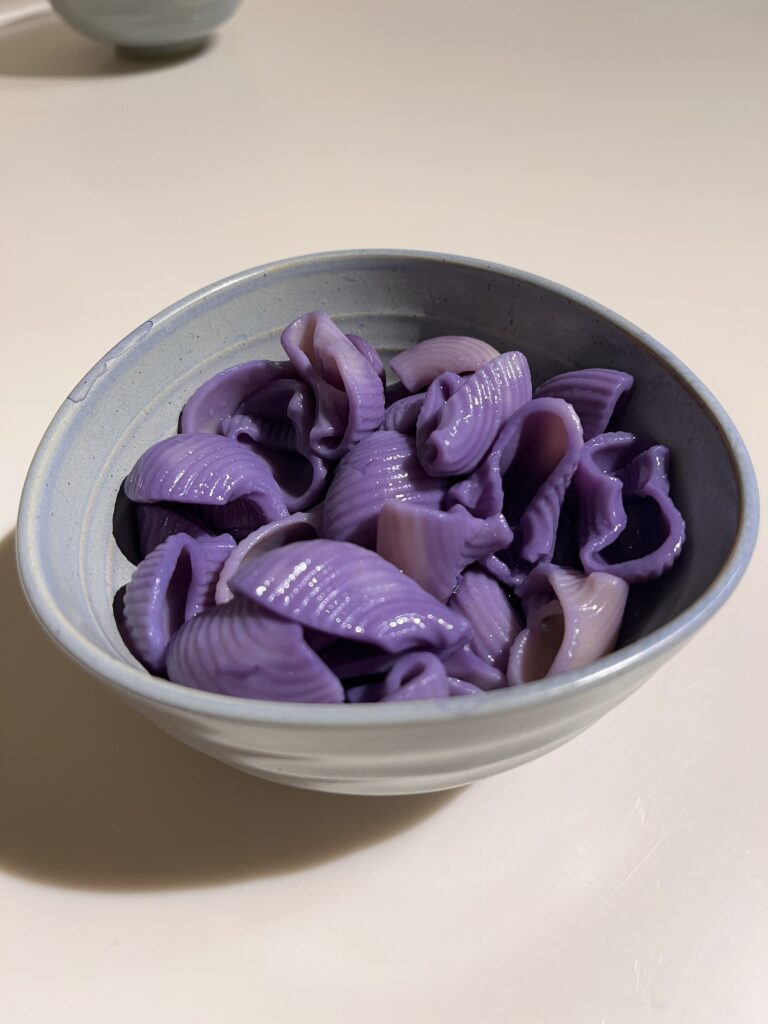
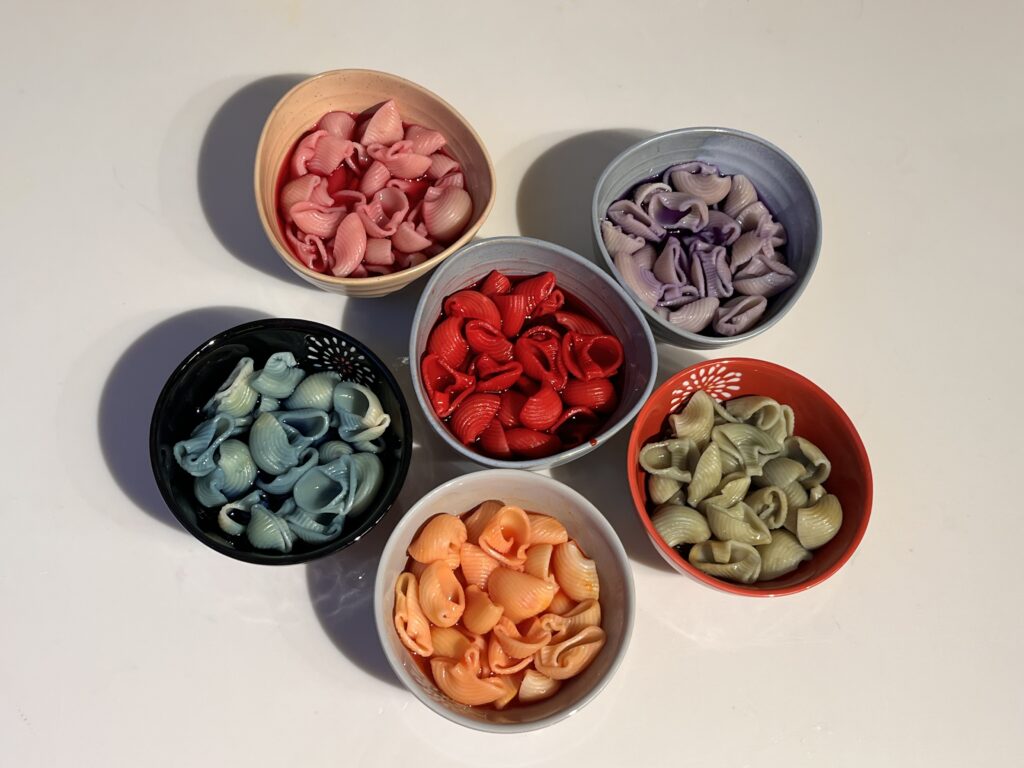
All in all, I found this topic really interesting and decided to do my chemistry short paper project on natural dyes. I expiremented with various sources. After my expirementation, I decided to dye pasta to make the experience of the kids more fun while eating. Iwill insert some pictures down below.