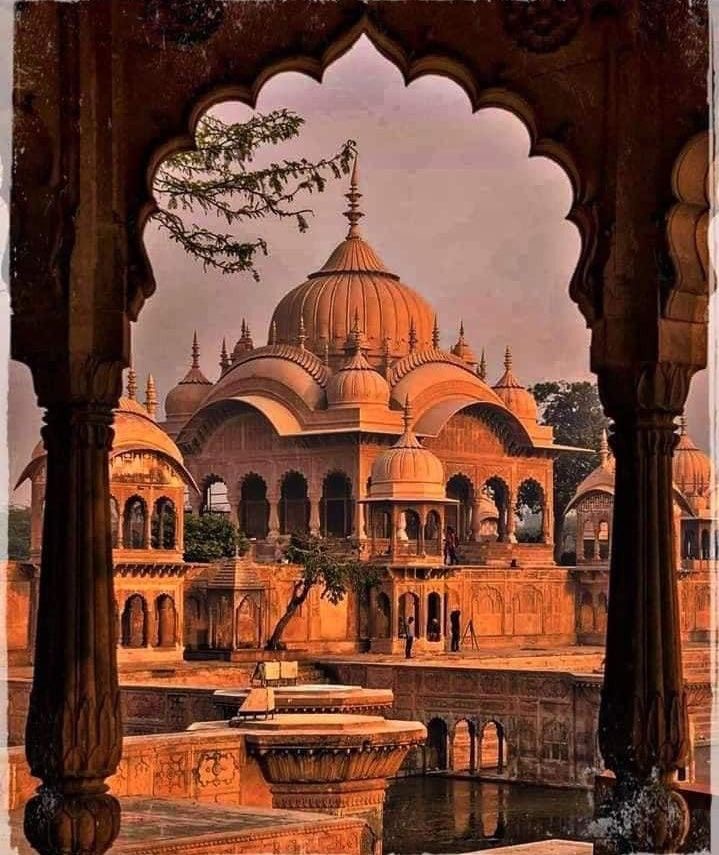
India is widely known for its breathtaking nature. Yet I think we should also explore their architectural style too. India’s architecture has a closer resemblence to Turkish/Muslim architecture because of the similarity of the religious buildings.
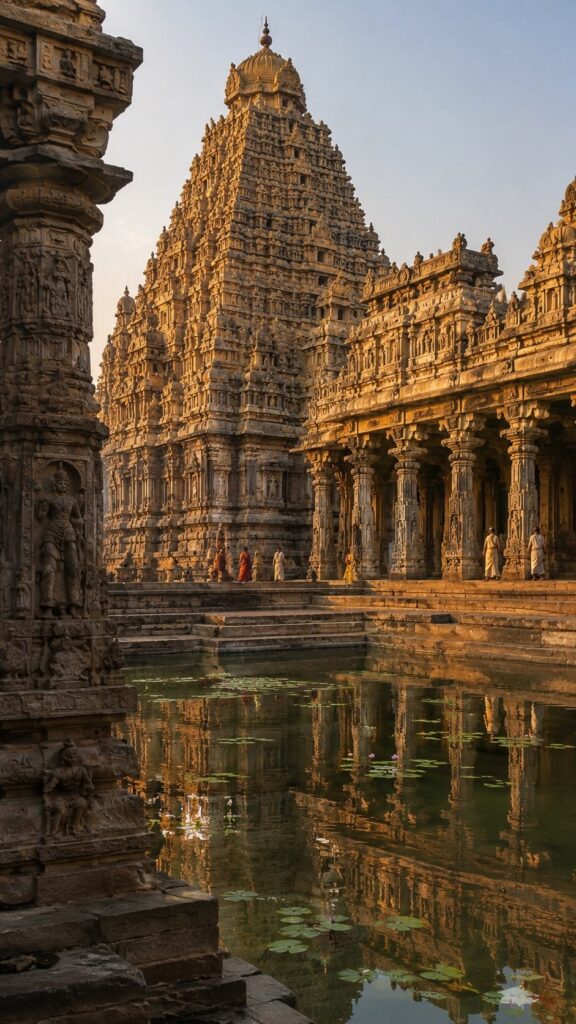
When we look at Indian architecture, we often come across four types of architectural styles overall. Stone carvings and sculptures are seen often. There are almost no plain Indian architecture. We can see detailed carving and sculptures on or off the building that artists have done. These figures are mostly gods, people, animals or plants. Due to the hot climate of India, central open-air courtyards are a fundamental feature in almost all structures, ranging from modest residential dwellings to grand palatial estates. This architectural element functions as a passive cooling system by facilitating the circulation of fresh, lowered-temperature air throughout the surrounding rooms.ig courtyards sit right in the middle of Indian homes and palaces because the weather gets crazy hot. This open space cools down the whole place by catching the breeze like a free AC. Plus, builders used old guidebooks called Vastu Shastra to point windows and doors toward the sun and wind to bring in good energy.
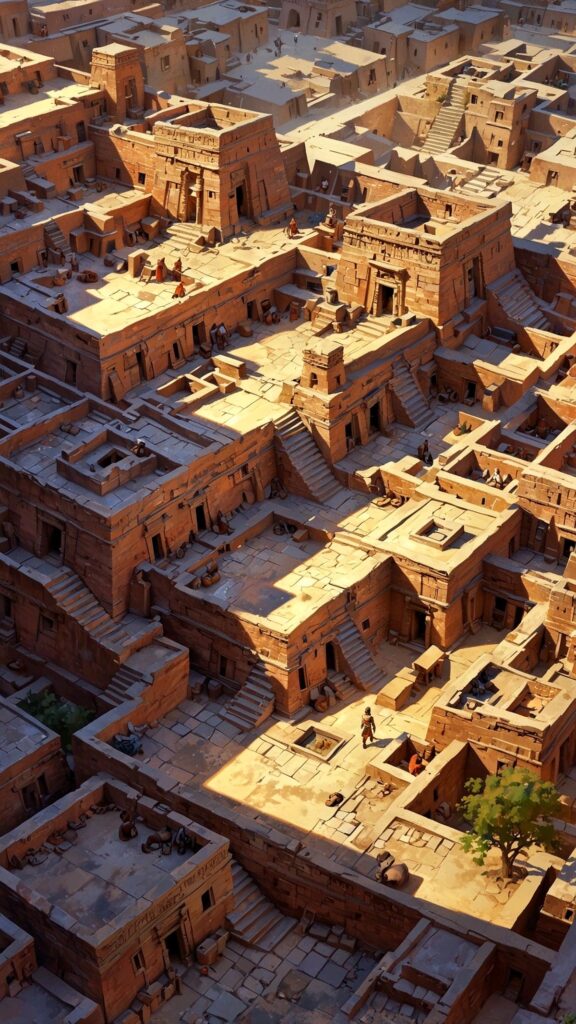
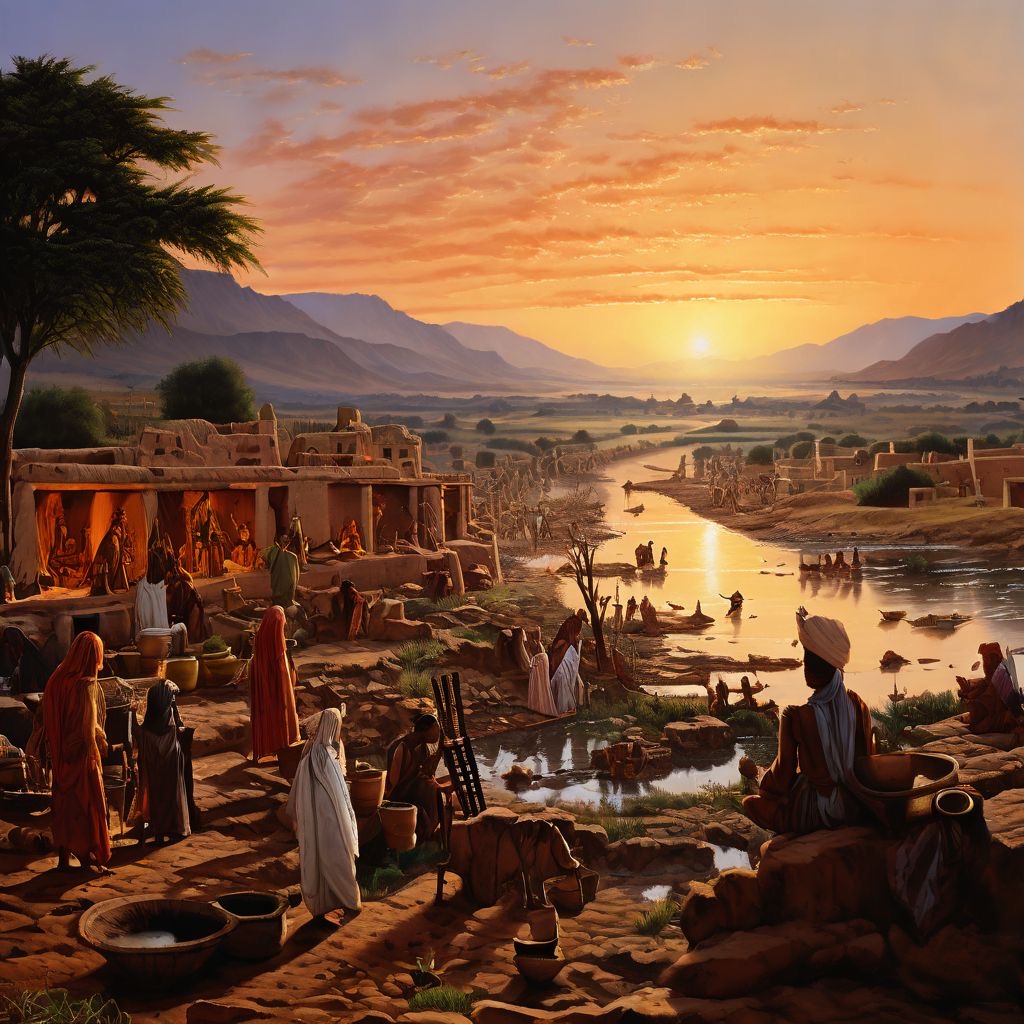
Back in the day, India was way ahead of their time in architecture. They built huge cities using baked bricks, indoor plumbing and straight streets. These are extremely impressive since they were built around 2500 BCE. These were the worlds first highly planned cities.Interestingly, every single baked brick used in the city was perfectly same in the size and ratio. Thick brick walls were used in order to protect the important buildings. The cities also had amazing water systems like The Great Bath. This giant swimming pool was made using natural tar to prevent water from leaking out. The city even had water drains to collect water from house bathrooms in the streets and make it flow out of the city safely. Some good examples of these cities could be the Mohenjo-daro and the Harappa. Because all the cities usually shared the same structure (straight perfect block streets etc.) historians called them the Harappan Cities.
İndia is home to the worlds largest monolithic structure. It is called ‘The Kailash Temple’ and is known for it being carved out of a massive rock using only hammers and chisels. No bricks, no cement, only the huge rock was used.
Honestly, looking at all these wild structures proves that Indian builders were just built different. Later on, when Islamic empires came into the picture, the style shifted again and gave us world-famous spots like the Taj Mahal, which explains why so many pieces of Indian architecture look a lot like Turkish or Middle Eastern mosques. Whether you are looking at a 4,500-year-old brick drain, a temple carved out of a single mountain, or a giant marble dome, India’s buildings always find a way to blow your mind. It is a mix of genius engineering and pure art that you just can’t find anywhere else in the world.