

What if AI isn’t just generating architecture—but quietly deciding what “good architecture” is supposed to look like?
Overwhelmed from the perfect AI renderings of Architectural models and designs, I started to realize how these AI powered designs are oddly similar. To test this, I gave four different AI’s (ChatGPT, ChatLLM, Gemini, Claude) the same prompt: Generate a building design.
Interestingly, the designs shared a very specific contemporary biophilic architecture language. The buildings seem to belong to the same design family. The heavy integration of greenery is unmistakable. AI seems to treat the plants as a part of the architecture, not as a decoration added afterward. This might be caused because of how AI has learned a very specific language for “good future architecture” and adding plants is one of the strongest shortcuts. All the sustainable designs in the internet often causes AI to also integrate plants and greenery to the designs. Every balcony seems like a jungle. In addition, plants often make the image seem more detailed and realistic-which is often AI’s goal. Biophilic design and biomimicry being a real architectural trend, where architects often make every balcony into a jungle, AI gets influenced by this trend pretty easily. This is because every response AI gives is collected from the internet. Therefore we can say that every architectural or design trend has a huge effect on AI’s generations. Below, I discussed the similarities and differences of each AI generated buildings using the same prompt.
- ChatGPT
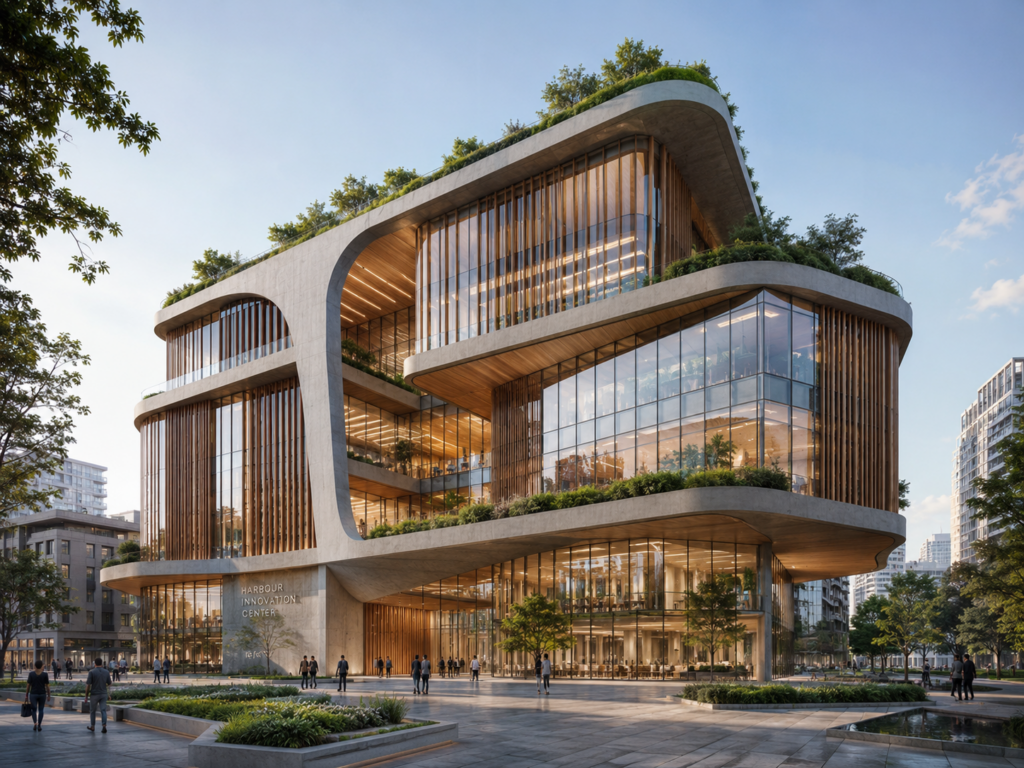
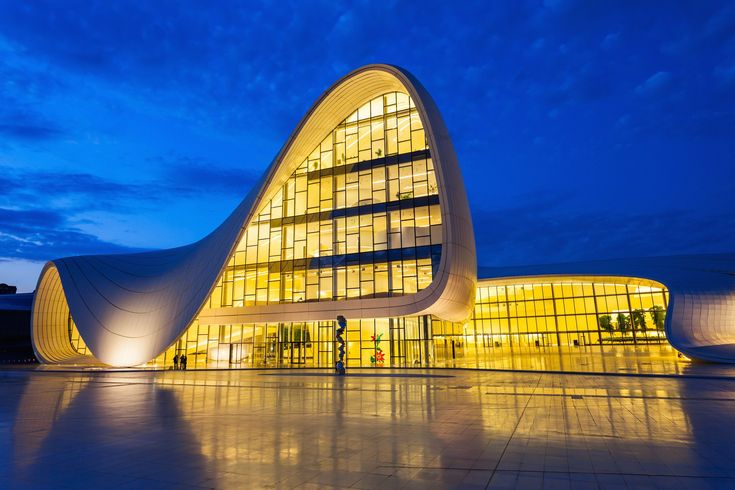
At a first glance, the compelling geometry of the structure catches the eye. AI often reaches for bold geometry, symmetry, dramatic lighting, and centered composition to make an image look intentional. When the prompt is vague -such as the prompt I used for this- AI might default toward common visual patterns associated with the topic, picking out from patterns it learned. It first starts with a random static/visual noise and gradually shapes it into a geometrical form, and then the final product. While forming the shape, it uses the information available on internet (usually the designs that are most populate). In the picture above, we can see: lots of glass, concrete, curves, and greenery. Down below, I put the first images that came up when I searched ‘building design’ on Safari. Unsurprisingly, it was very similar to what AI has generated.
2. Gemini
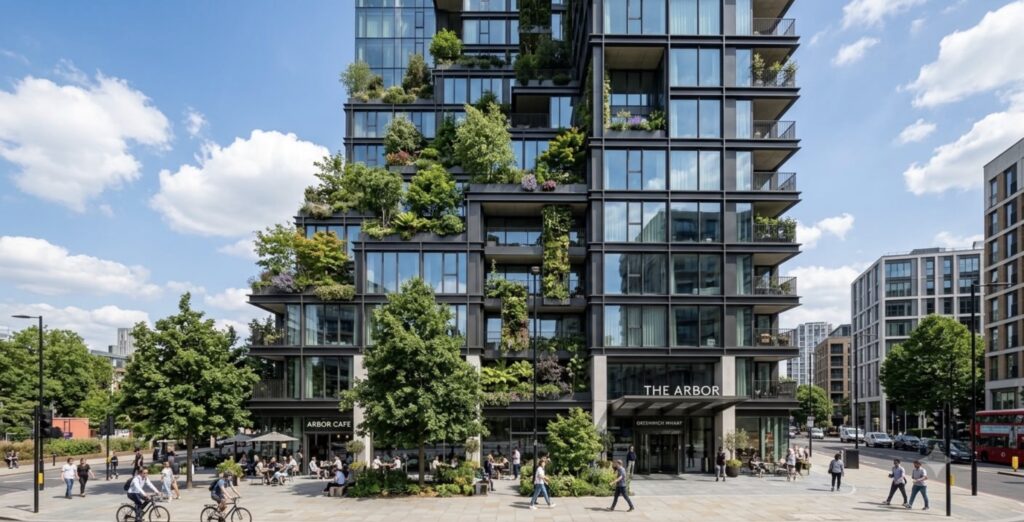
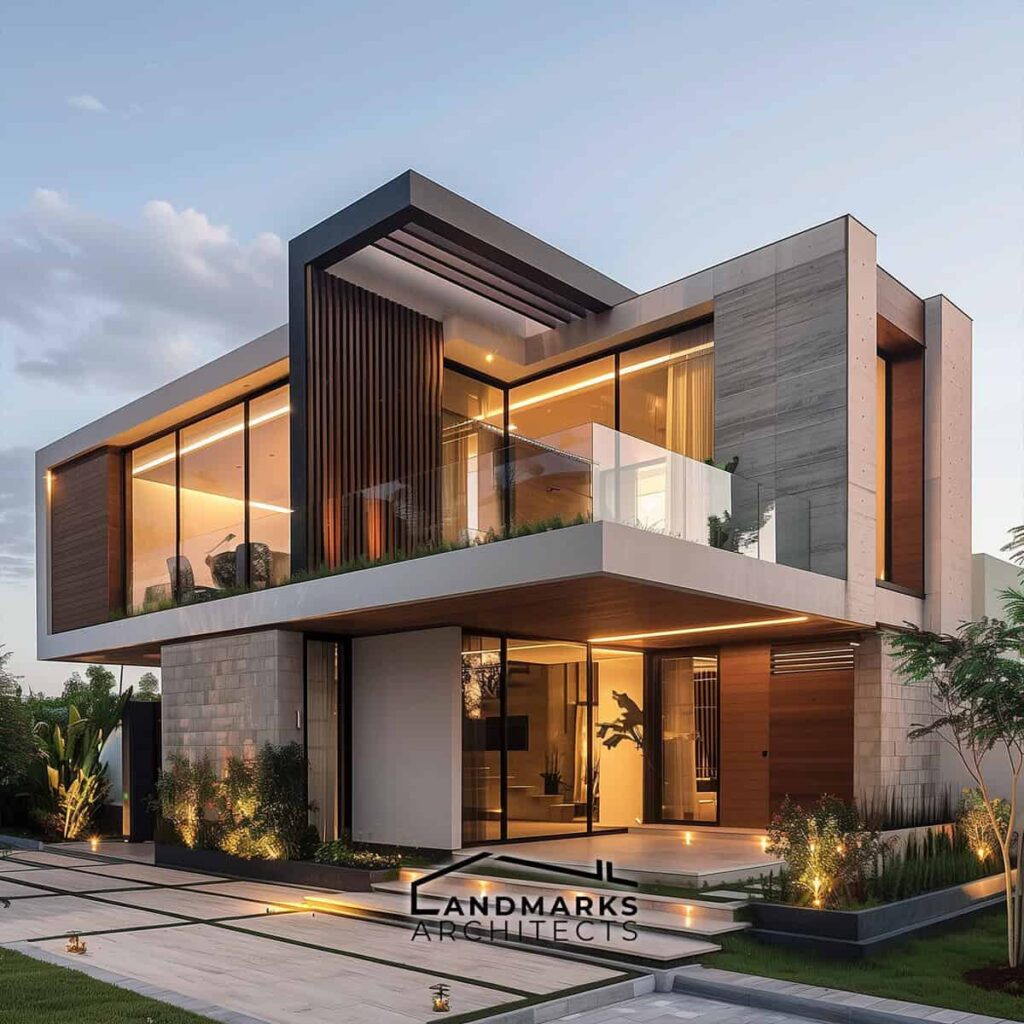
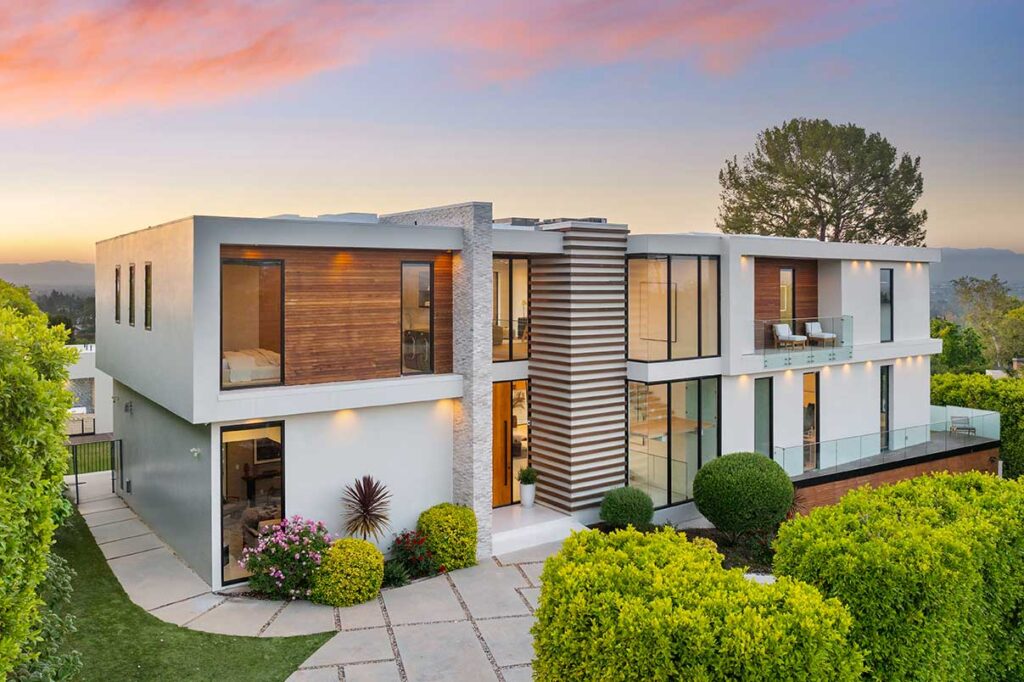
The first thing you see in this image generation is probably the vast greenery and the amount of glasses it has implemented in the design. Similarly to the other image generations, we see people walking, cycling, and talking around the building. This makes the space feel dynamic and more lively compared to an image where everything is still and the focus is solely towards the building. In the background, AI tends to use plain buildings to keep the focus on the main building while also making it feel like it is still a part of the city. This is also applied to the weather, where AI unmistakably uses the same plain, sunny weather to keep the focus on the main object while not disturbing the natural feeling of the space. What I really like about these designs are how the glasses reflect the surrounding places, objects, and plants. This creates that calm space that draws people in without making the building the ‘odd one out’ compared to the surroundings. Greenery is implemented perfectly, without creating a forced sustainability feeling.
3. ChatLLM (Abacus AI)
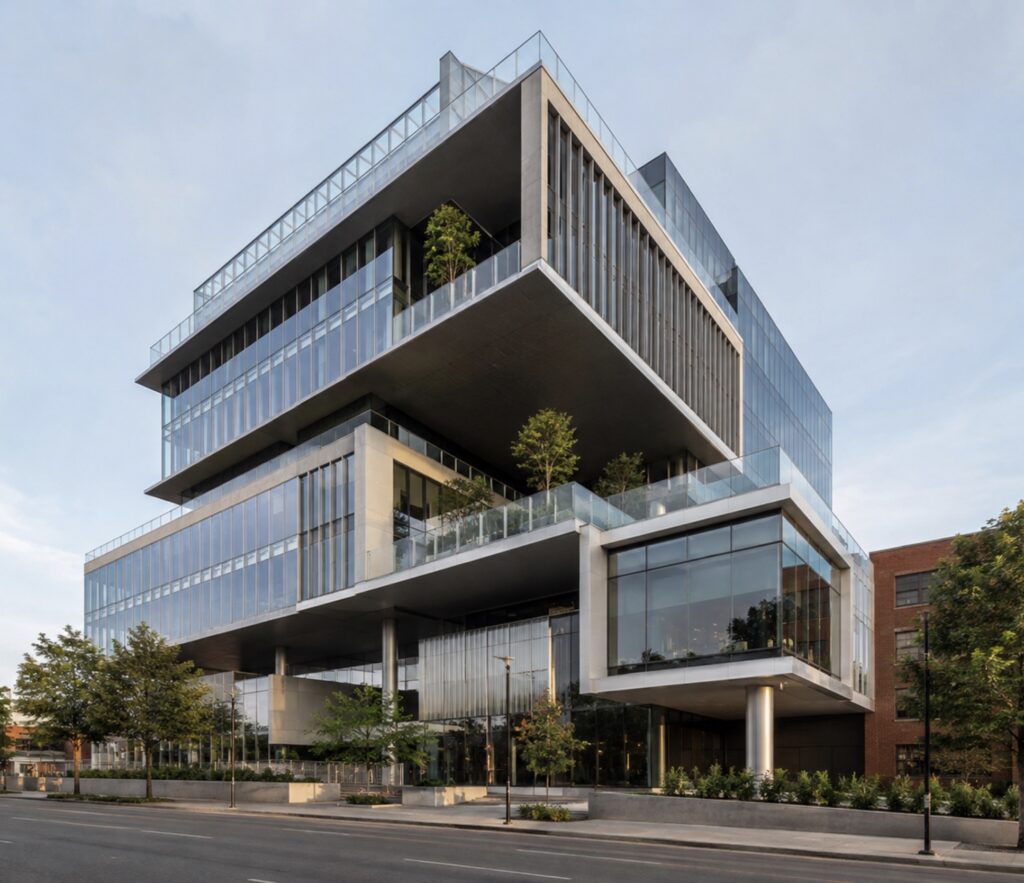
Compared to the other generations, Abacus AI created a building that feels more rigid and structural. Instead of relying mostly on curves, it uses large stacked rectangular volumes, deep overhangs, and sharp horizontal and vertical lines. However, the same visual language still appears: large glass façades, neutral concrete and metal materials, terraces, and carefully placed greenery. Even though the building has a different overall shape, it still fits surprisingly well into the same “AI architecture” family.
One thing that stands out is how clean and controlled the whole image feels. The street is almost empty, the sky is soft and clear, the lighting is balanced, and there is very little visual clutter around the building. This makes the architecture look polished and almost unrealistically perfect. The trees and plants are also positioned very deliberately, especially on the terraces, which again connects the building to the idea of sustainable and biophilic design.
What I find most interesting is that Abacus AI did not copy the exact form of the other designs, but it still repeated many of the same ingredients. Glass, greenery, dramatic cantilevers, clean materials, and a calm urban setting appear once again. This suggests that AI may not have one exact architectural style, but it does seem to return to a familiar collection of visual choices when it is given a vague prompt like “generate a building design.”
4. Claude
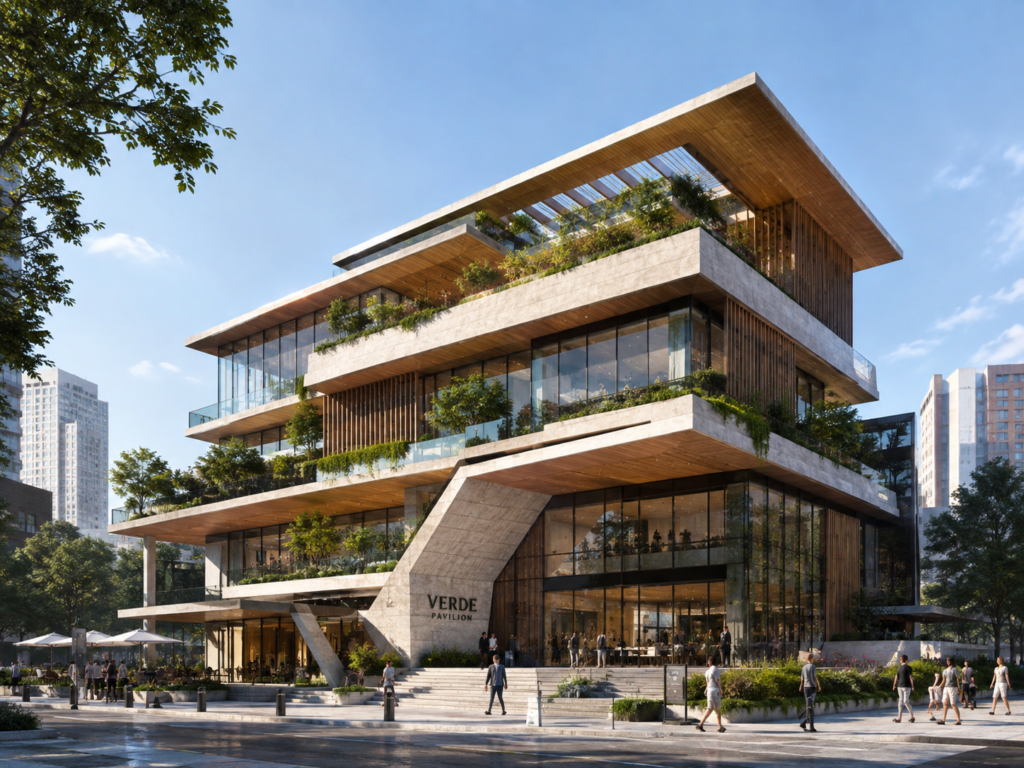
Claude AI almost feels like a summary of everything I noticed in the other generations. Glass, concrete, wood, huge terraces, and greenery everywhere. Again, AI seems to connect “good modern architecture” with plants, clean geometry, and an expensive, polished look.
What makes it interesting is that the building itself is different, but the formula is basically the same. The blue sky, warm lighting, people walking around, and perfect landscaping all make it feel almost too ideal. At this point, it really starts to look like AI has its own visual comfort zone.
All of these bring me to my next question: Is AI replacing architects? Check out my next blog to see me break down this question.
