Lately, I’ve been working on a concept that pushed me creatively more than anything I’ve done before. I call it The Honeycomb Project.
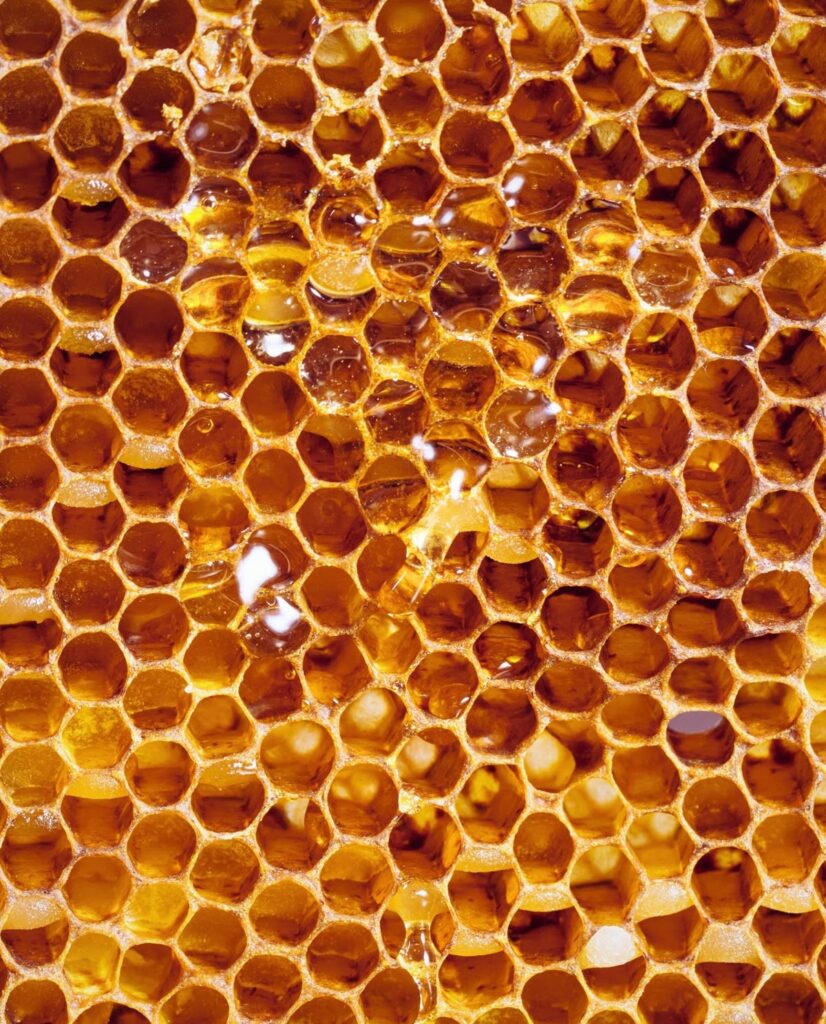
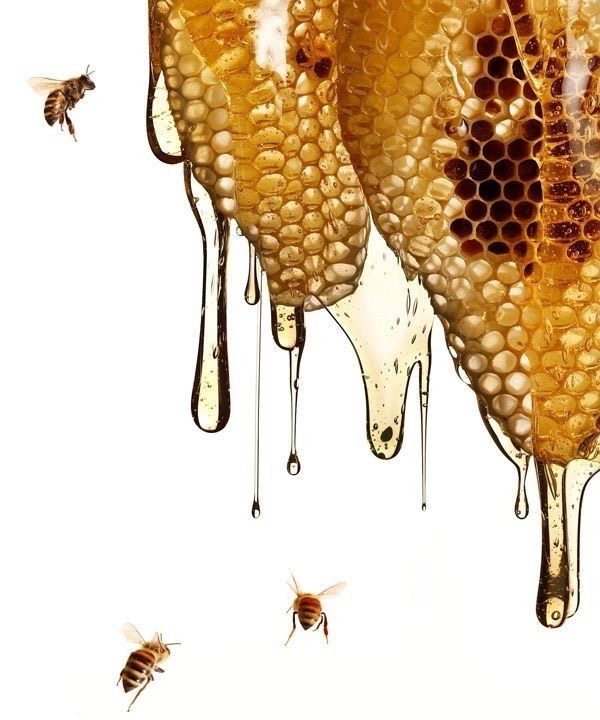
The starting point was simple: the honeycomb. I began experimenting with its form and structure and combining it with architecture. As I researched and sketched, I realized how incredibly convenient and efficient the hexagon shape actually is. Its geometry, texture, and modular nature make it a powerful reference for architectural design.
But this realization also brought frustration.
The hexagon is everywhere. Honeycomb patterns are widely used, and the shape itself is extremely common in design and architecture. I kept asking myself: How am I supposed to create something niche with a form that has already been explored so much? How could I design something that felt new?
I sat down and started brainstorming. I sketched different ways a hexagon could function in architecture. I thought about using the honeycomb form as shelves, storage units, or even stairs. But none of these ideas felt strong enough. They were too basic, too expected. I felt disappointed and honestly a bit stuck.
I spent an entire night asking myself the same question over and over again:
How am I going to make this work?
Then it clicked.
I realized that I didn’t need to design a single small module or object. Instead, I could create one large architectural form that strategically combined all of my ideas. Rather than limiting the honeycomb to one function, I could let it become an entire system. Once I started thinking this way, everything fell into place. I spent time carefully figuring out how to merge my ideas in the most strategic way possible, and eventually, I created a design I genuinely felt proud of.
However, there was still one major question left unanswered:
How is this going to become an NFT?
I looked through countless NFT projects for reference, but almost all of them were flawless, highly polished, and completely digital. They felt very distant from my hand-drawn process. I started doubting myself because my work wasn’t “perfect” like the others. I felt exhausted—but I wasn’t ready to stop.
There had to be another way.
Not long after, I realized the answer was right in front of me: artificial intelligence. At first, I wasn’t sure if choosing AI-generated visuals instead of fully handmade ones was the right decision. But then I understood something important. If the concept, design, and creativity came from me, using AI as a tool to bring the vision to life didn’t take away from the work—it strengthened it.
What matters most is that I am a 15-year-old student who spent time thinking, designing, questioning, and developing an idea that hasn’t been done before, and then turning it into an NFT. Most people my age don’t even know what an NFT is.
I truly believe that this project plays an important role in my architectural journey. It pushed my design thinking, problem-solving, and confidence as a young designer. More than anything, it taught me that creativity isn’t about perfection—it’s about persistence and perspective.
Now that I’ve shared my process, it’s time to reveal the final outcome.
That will take place in my next blog.


You are an inspiration to me (im 14 yo) and i hope you reach your goal girl. My goal is to become an animation creator and i wanted to learn about nft and i stumbled across your page. Great work. This made me want to create a blog page for myself too
I hope you reach your dreams too, thank you by the way!