
Some buildings in our world are mainly labeled as “ugly”— too heavy, too raw, or too strange. Yet somehow, they are deeply loved by people. This isn’t a failure of taste; it is psychology.
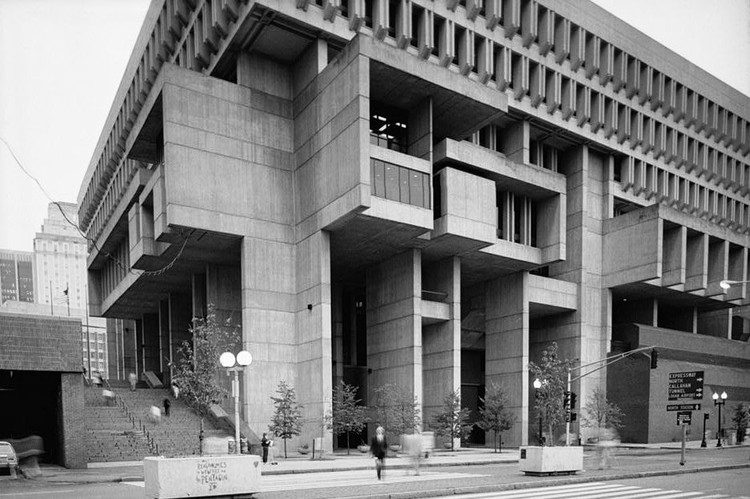
The Boston City Hall is a perfect example for my point. It is considered as ugly because of its massive concrete forms, cold and intimidating. Yet it seems to be loved by the population. The reason why it is loved is actually pretty simple. It feels honest and unapologetic. People trust what does not pretend. Visual honesty can feel more comforting than beauty.
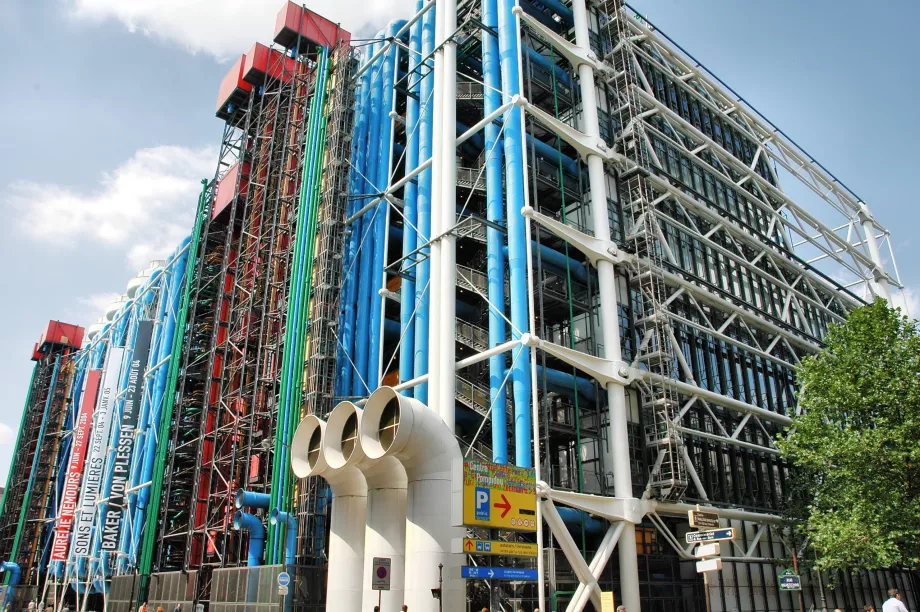
Another great example is the Centre Pompidou. It is widely considered as ugly due to its exposed pipes, structure turned inside out. It is loved because it is playful, rebellious and radically open to public. Psychologically the brain remembers what breaks patterns. Strangeness creates emotional impact.
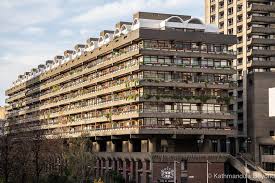
Barbican Estate is another building that is considered as ugly throughout the world, yet it seems to be loved. It is dense, gray and maze-like, which makes it seem less inviting than most buildings. However it somehow creates a strong sense of community and belonging. Therefore the maze-like and dense structure suddenly becomes a loved building by people. In psychology, people often bond with what feels misunderstood-identity through resistance.
The psychology behind loving “ugly” architecture is pretty simple and proves us that maybe not everything is about the looks after all. People do not attach themselves to buildings because they are beautiful. They attach themselves because buildings feel real. Roughness suggests honesty, strangeness creates memory and imperfection allows identification.

Really cool stuff! Thanks for putting this together.