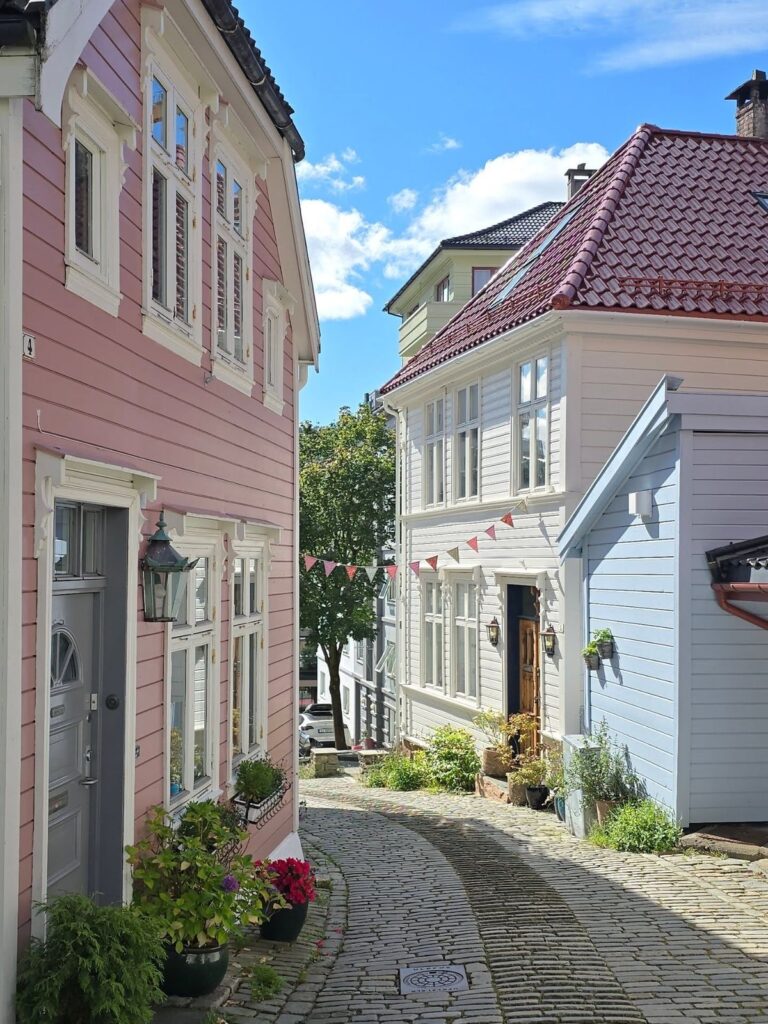
Today I wanted to talk about Norwegian architecture. Firstly, I think Norway has one of the cutest houses I have ever seen in my life. They remind me of the little triangle shaped houses we often see in cartoons like Peppa Pig. I believe these small houses are great for older people since they are very cozy and also probably not very hard to clean. Norwegian architecture has been shaped by its climate, landscape, local materials and changing social needs. What caught my attention was that even the modern buildings somehow feel connected to the country’s older traditions and natural environment.
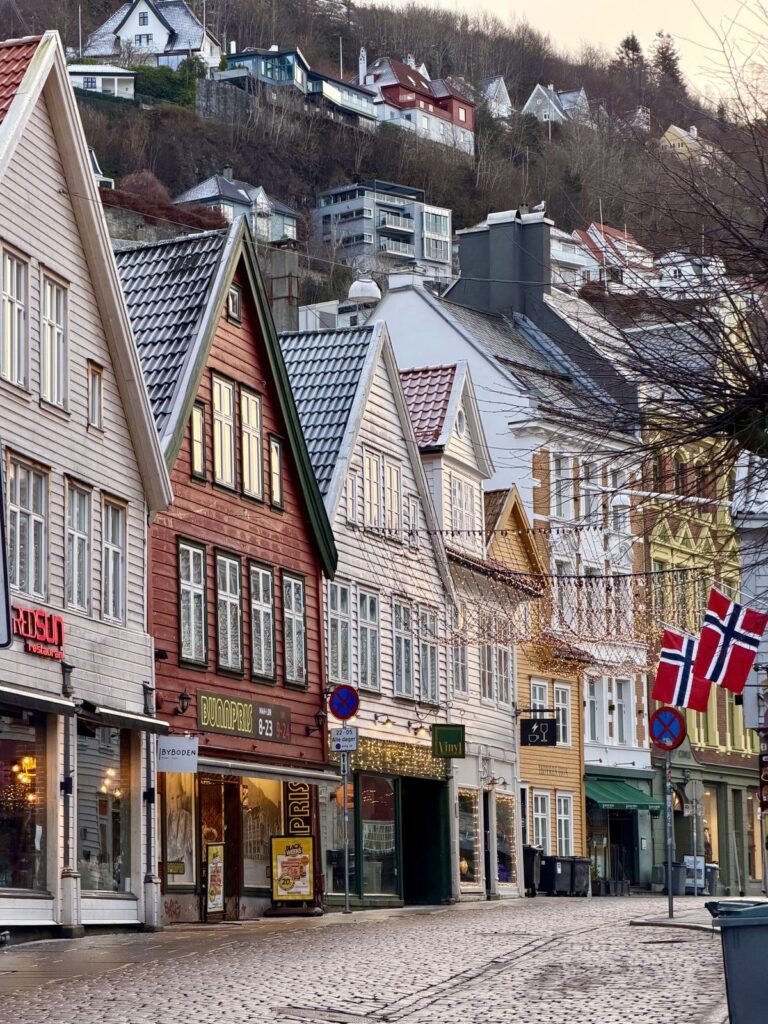
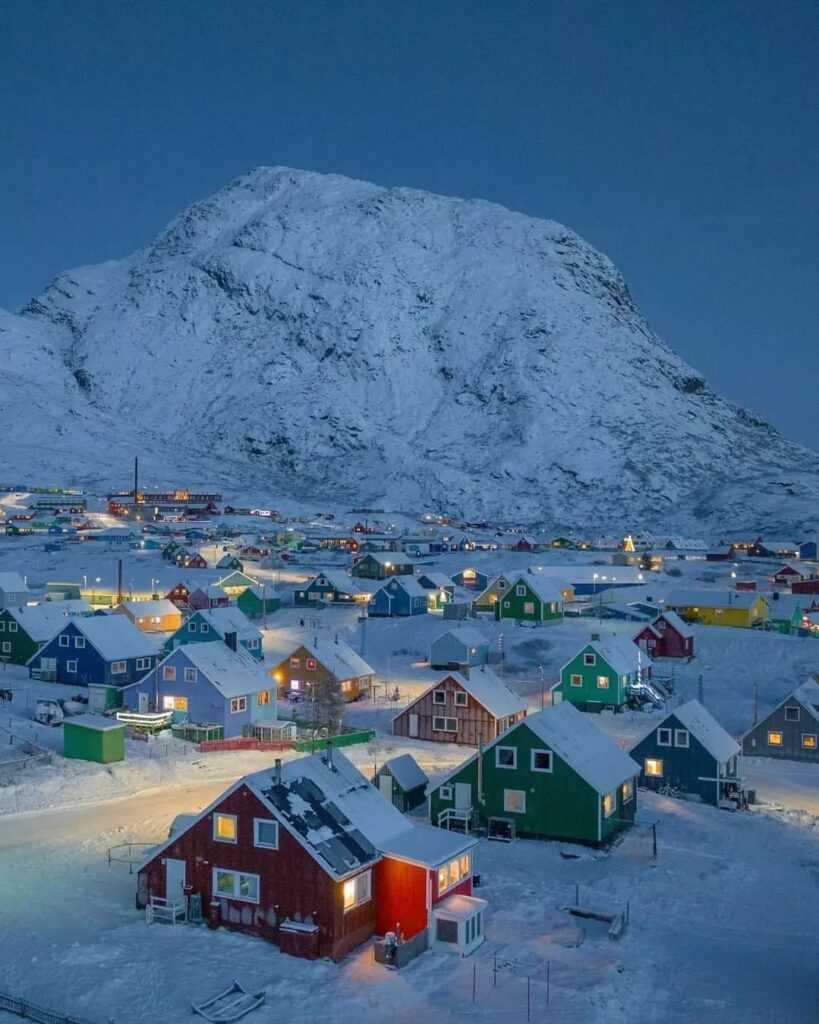
Norway’s most recognizable architectural feature might be the colors. Unlike many modern cities that mainly have buildings with neutral colors, Norway feels cheerful because the houses are so colorful and vibrant. The bright colors stand out beautifully against the snow, mountains and sea.
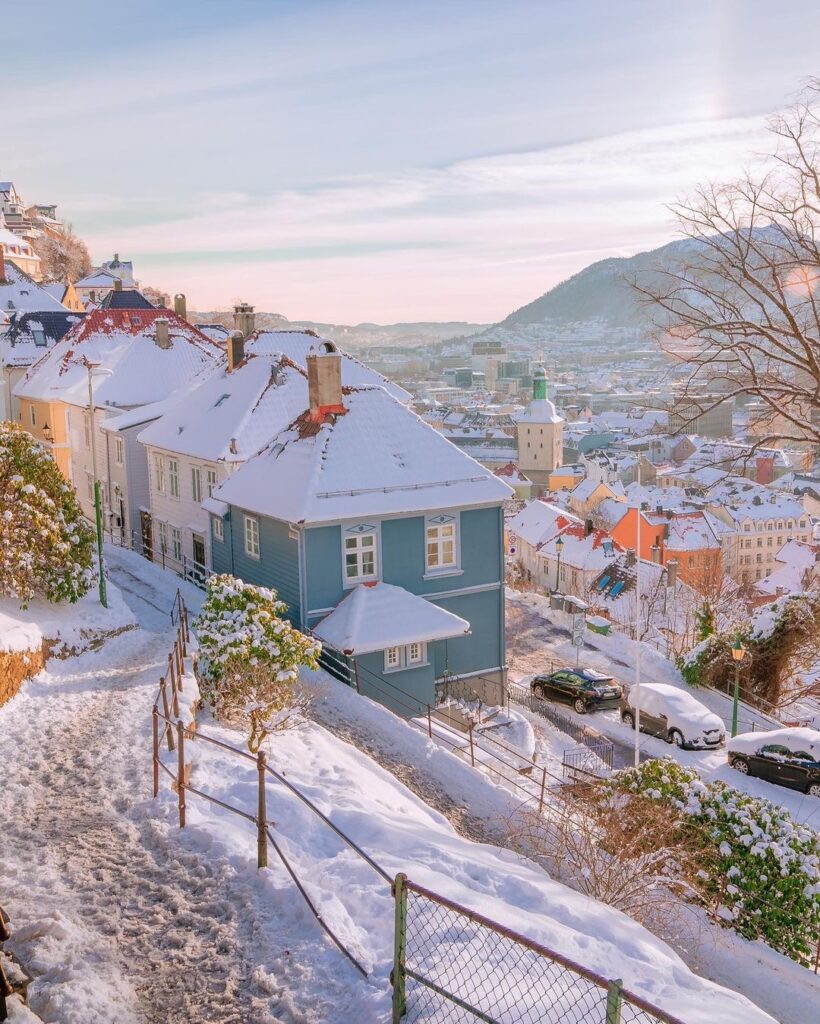
Norwegian architects also designed buildings to fit the country’s cold climate. They used very steep roofs so the snow could slide off instead of piling up. This also helped rain drain away quickly. The steep roofs are not only practical, but I also think they play a huge part in creating the cozy feeling these houses have.
Another thing that caught my eye was that in Norway, people do not destroy the land to make it flat. Instead, they build houses on hills. I like how the houses seem to belong to the mountains instead of trying to change the landscape. The streets are small and cozy, and the neighborhoods never feel oversized or overwhelming. Everything seems to fit naturally together.
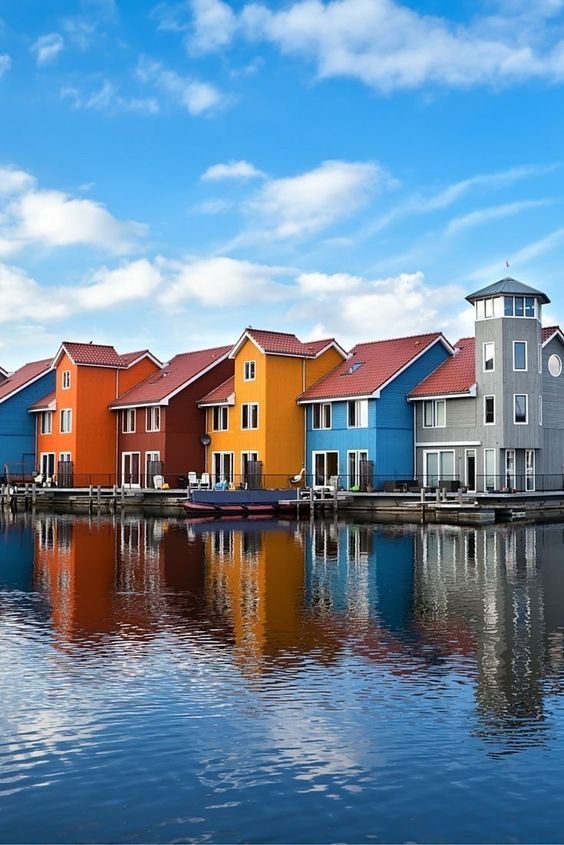
One of my favorite parts of Norwegian architecture is the colorful waterfront houses. These houses were built from wood, which has been one of Norway’s main building materials for centuries. But why are they built by the water? Norway has one of the world’s longest coastlines, so for hundreds of years, the sea was the easiest way to travel and trade. Many of these houses were built next to harbors, along rivers and beside fjords. This made it easy for merchants to unload fish, timber and other goods directly from their ships.
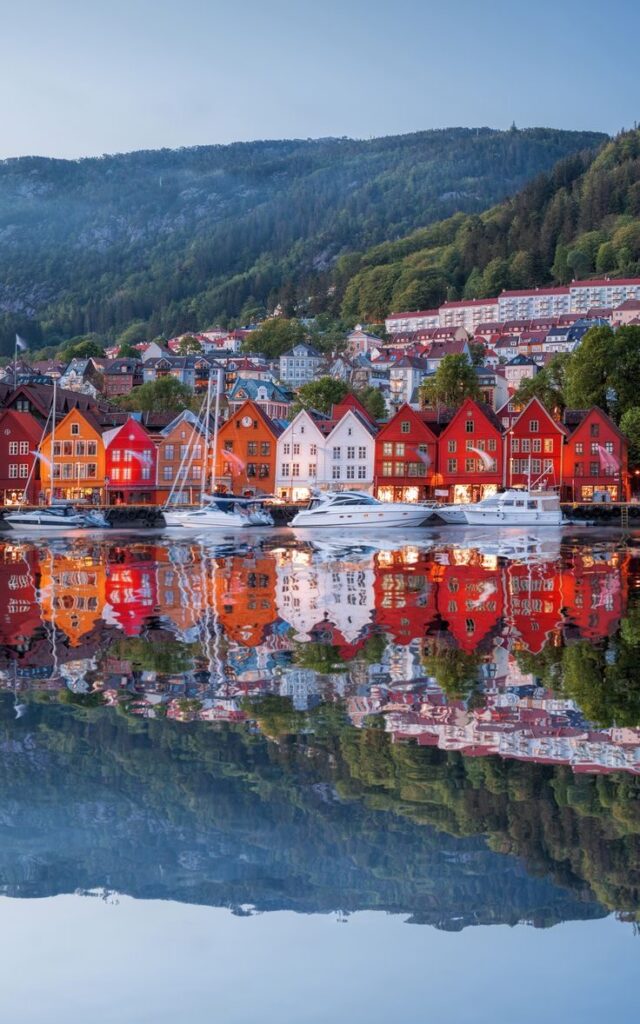
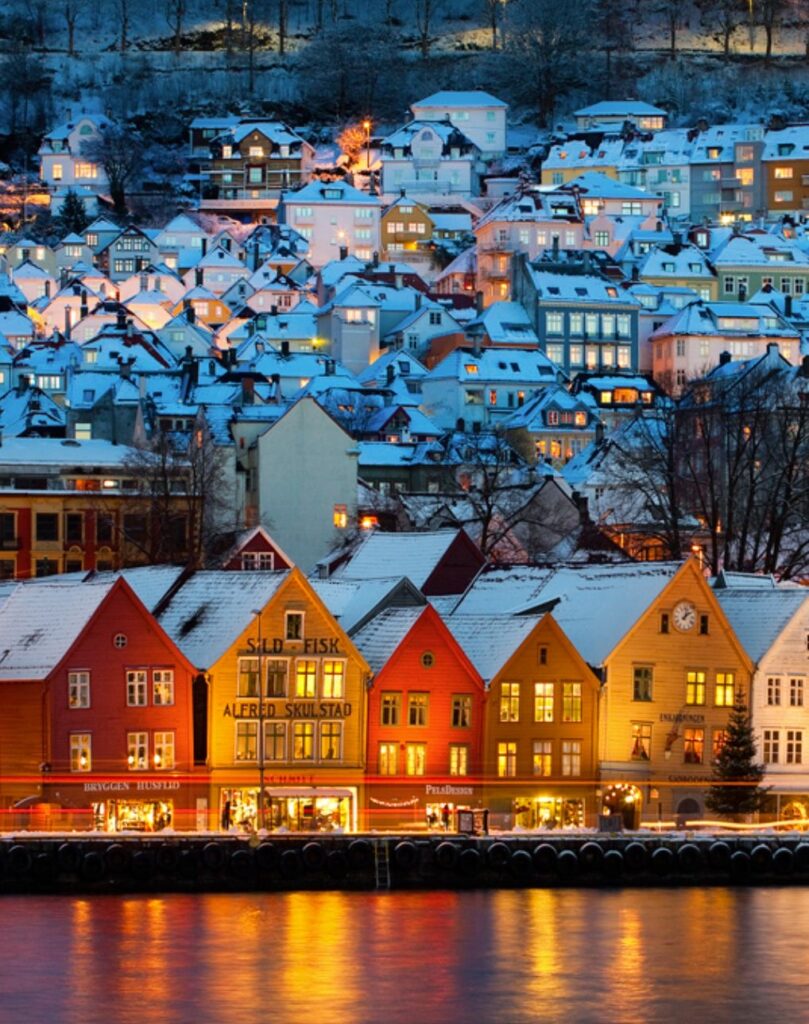
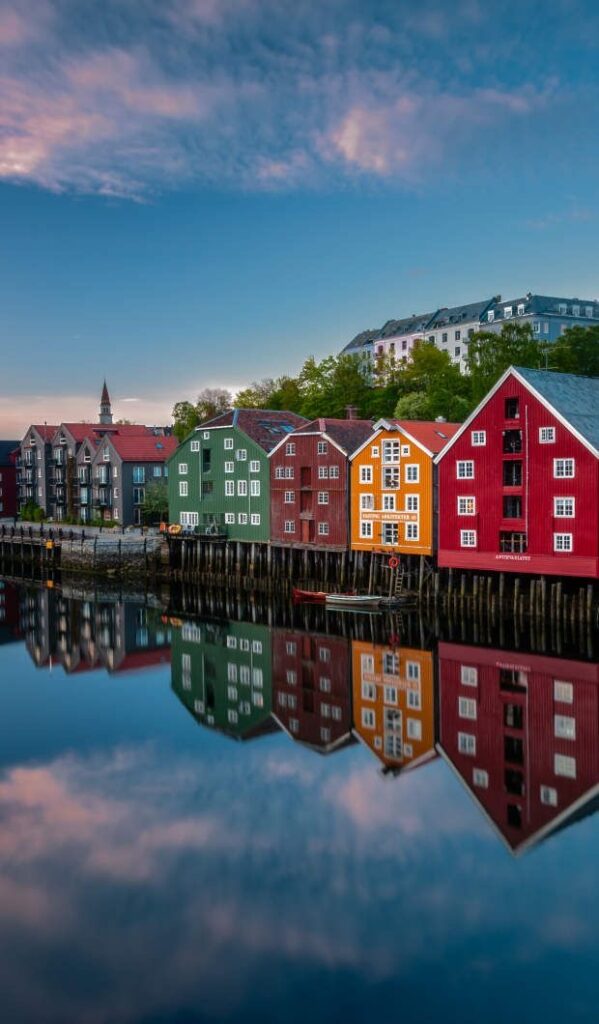
Another interesting thing is why these houses are so colorful. First of all, bright colors helped houses stand out during dark winters and fog. Imagine walking through a place covered with snow under a gray sky. Bright colors like red, yellow, blue and green immediately catch your attention. Although many houses have similar shapes, each one feels different because of its color rather than its design. This keeps the neighborhoods looking organized while still giving every house its own personality.
My favorite thing about this architectural style is that color gives each house its own identity without ruining the overall look of the street. The houses feel connected instead of competing with each other. I also think this shows that architecture is not only about giving people a place to live. It also changes how people feel. Would these streets still feel as welcoming if every building were gray? I honestly don’t think so. The colors make the streets feel warm, lively, memorable and cheerful.
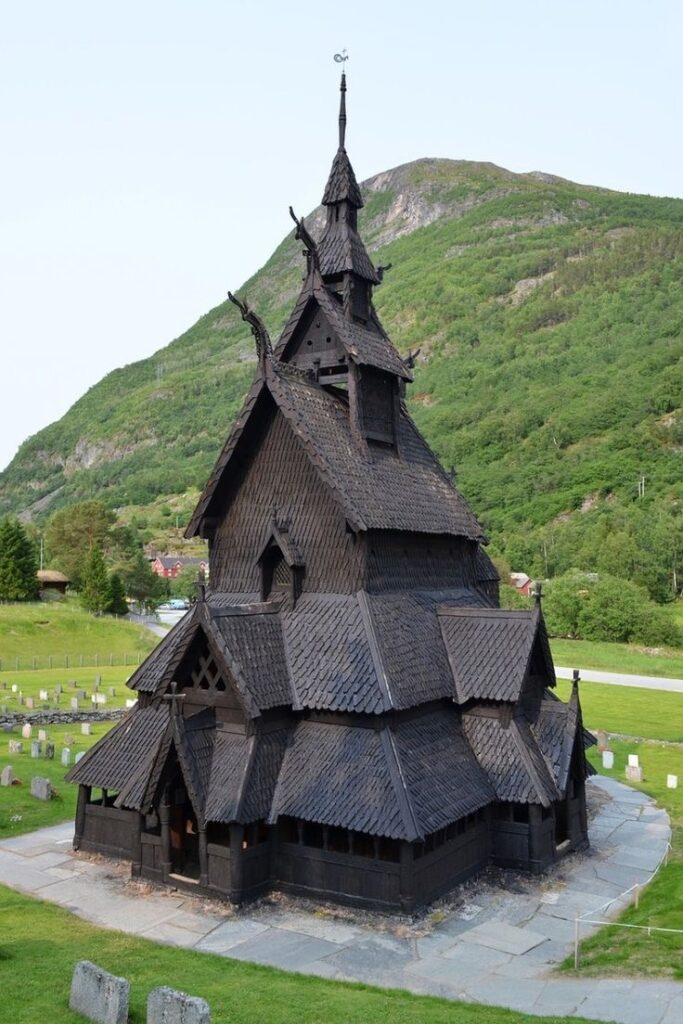
The reason these houses are made of wood is because Norway has huge forests. Wood was the most practical building material because it was easy to find, easier to build with than stone, and better at keeping homes warm during cold winters. Even today, many of these old wooden neighborhoods are carefully preserved.
Many people describe Norwegian waterfront streets as cozy and charming. I think that feeling comes from how close the buildings are to each other, the narrow streets, the houses that are not too tall, the repeating roofs and the reflections in the water. Nothing feels too big or overwhelming, which makes these places feel peaceful and welcoming.
Overall, Norwegian architecture impressed me because it proves that buildings do not need to be huge or extravagant to be memorable. Through colorful houses, simple designs, natural materials and thoughtful planning, Norway has created neighborhoods that feel warm, welcoming and closely connected to nature. I think many modern cities could learn from this balance between practicality and beauty.