
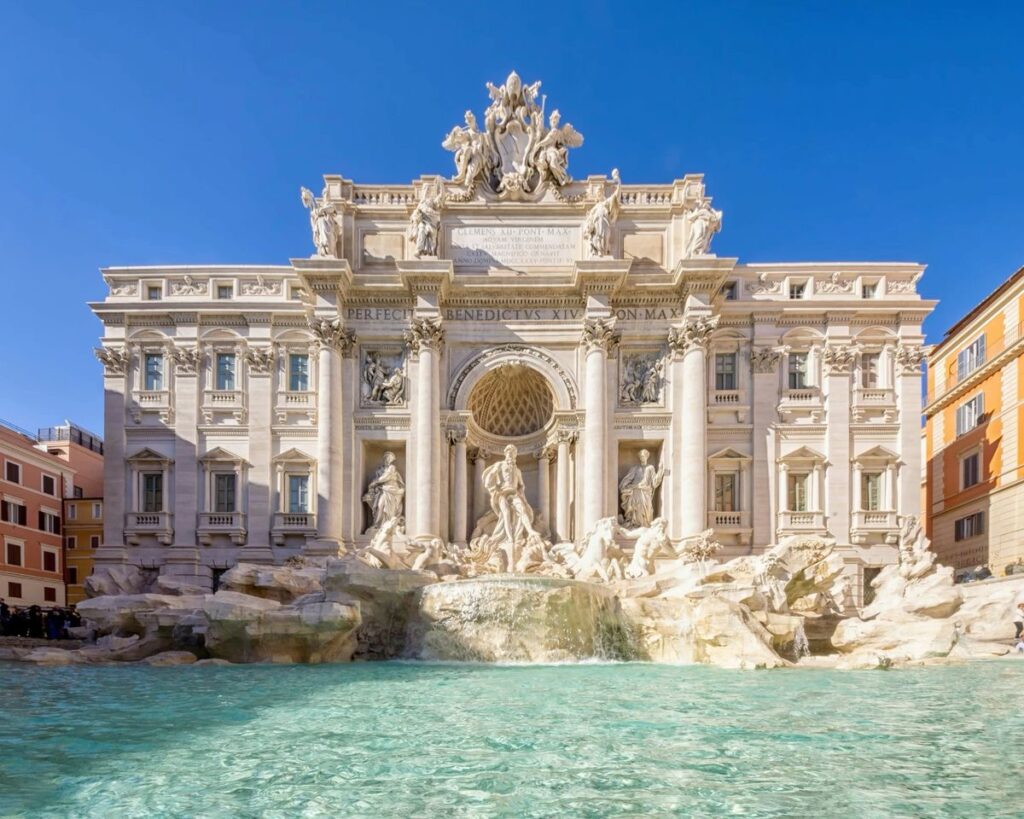
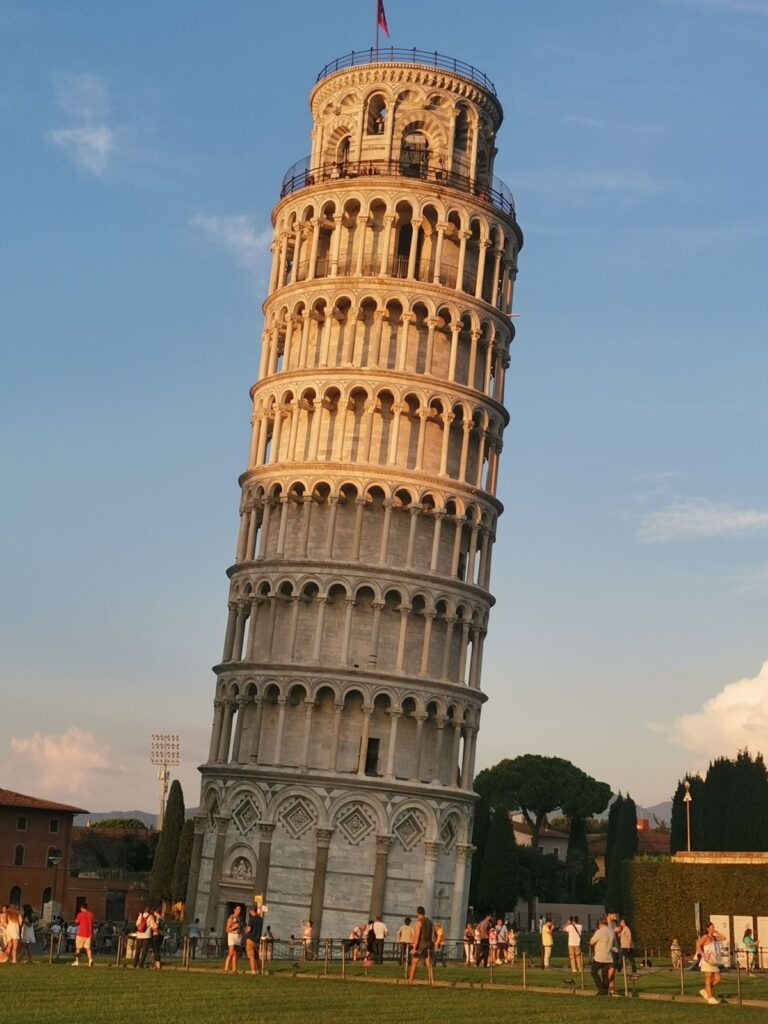
Italy is a timeline where almost era left mark, therefore we can say that it is one of the most influential architecture traditions in history. Italy’s architecture is a reflection of over 2,500 years of history.
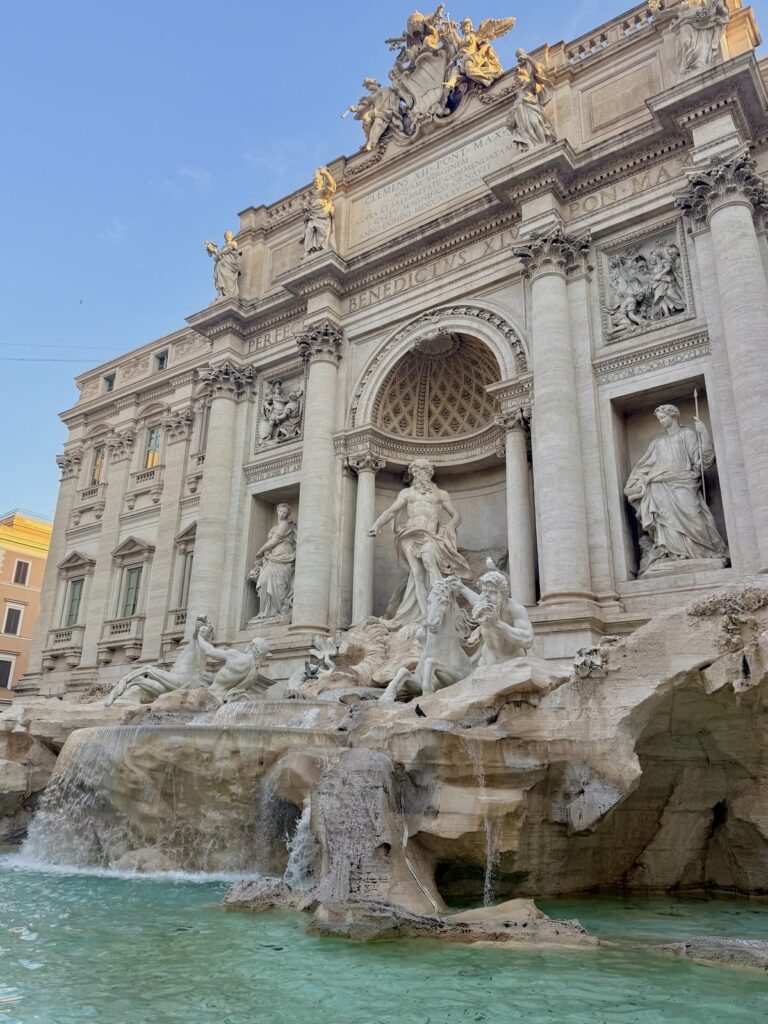
Ancient Roman Architecture is where architecture changed forever. They were not only interested in cool façades and beautiful designs, they aimed to make buildings that solved problems. Their main ideas were function beauty decoration, massive engineering, public life and durability. Their biggest inventions were the dome, vault, road systems and concretes. Without these many modern buildings would not exist. For example the Colossuem, The Pantheon, Roman Forum and Aqueducts. Romans proved that architecture could organize,ze an entire civilization. This is probably Italy’s most recognizable eras.
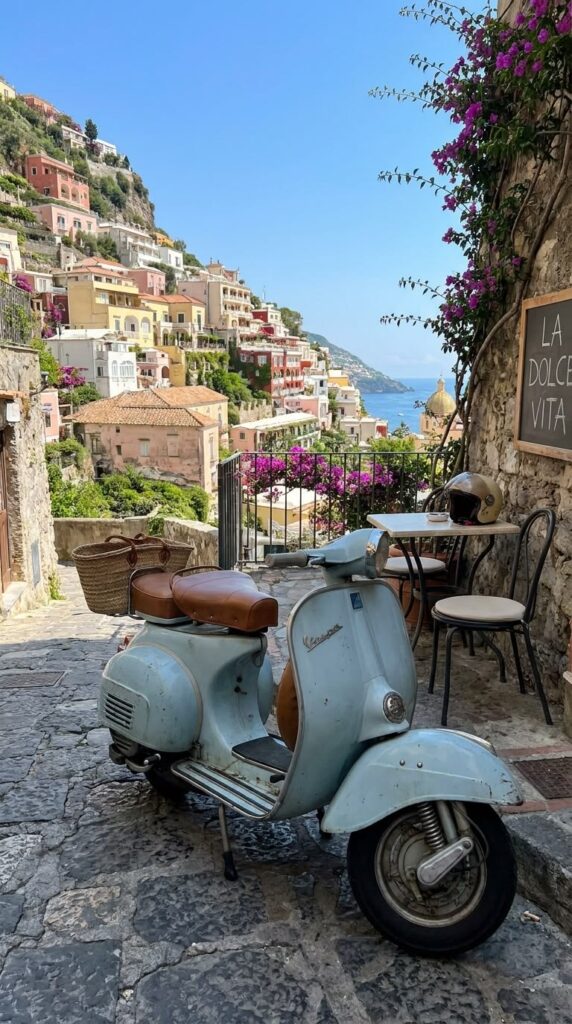
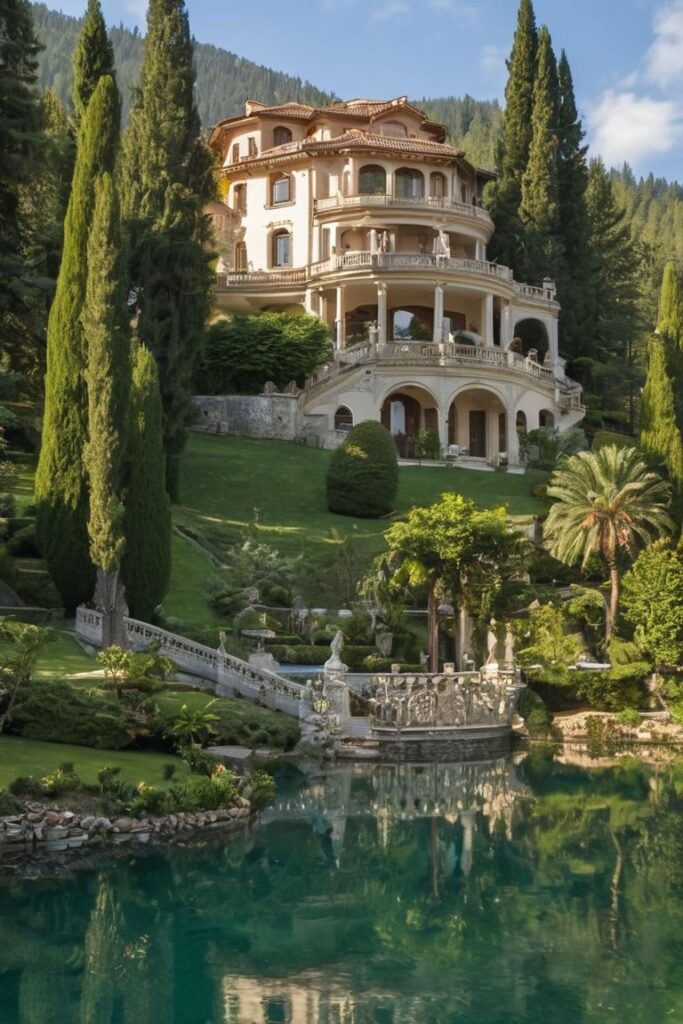
In Italy, architecture is built for people. There are walkable streets, piazzas as social spaces, cafes opening onto squares and human-scale buildings. Something that really caught my eye was that Italian cities make walking the main transportation and experience while other modern cities prioritize cars over people. Streets seem to be designed for human experience as they are extremely joyful, colorful and interactive with many different cafes and places to sit. Also, Italy uses materials that age beautifully that develop a character over time, creating a historic ambiance throughout the country. Natural stones, marbles, bricks, and terracotta roofs are materials that do not look worn out by time, they are the type of materials that develop their own story.
Italy is a cohesive country. Buildings do not look random or disconnected form each other. They even seem to complement each other instead of competing for attention. Every building looks like it has its own story (maybe because of the materials) and this helps add depth and meaning to the place. I feel like Italy has something many other countries do not. It has one specific style that is seen everywhere throughout the country. The same materials, the same vibe but in different forms. Almost every building seems to belong to the place.
Although Italy has preserved its identity exceptionally well, strict preservation rules can also make innovation more difficult. So this raises an interesting question. Can a country preserve its architectural identity without limiting innovation? While preserving history is essential, architecture should also evolve to meet the needs of modern society. The challenge is finding a balance between respecting the past and embracing the future. I personally think this is a topic worth discovering and working on. Since modern architecture is way more different that Italy’s style, finding something in between without disturbing the cohesion of the country is hard. Yet could bring out a whole new perspective if worked on. I believe many modern cities could learn from Italy though. Instead of focusing on ‘taller buildings and wider roads’, we should prioritize the experience of people. Our goal should be making designs that encourage people to walk, interact, and spend time outdoors. A successful city is not only measured by its skyline but also by how comfortable and connected people feel within it.
To sum up, Italian architecture demonstrates that beauty is not created by individual landmarks alone but by relationship between buildings, streets and the people who use them. Rather than competing for attention, its buildings work together to create cities that feel timeless. Perhaps that is why Italy continues to inspire architects centuries after many of its greatest buildings were constructed.

I am İtalian and I really appreciate you talking about our architecture and history. And also looking at your blog, I am impressed by the consistency and passion you have for architecture. Keep up the good work, . I believe you will succeed in life and reach your goals. We need more people like this. Thank you for making my day