AI (Artifitial Intelligence) has been very popular these days as technology improves day by day. Today, I wanted to talk about my opinion on architects using AI for renderings or in any of their work.
AI might be really useful in a lot of areas in our lives and for most people, AI has a really crucial place in their life. Even in the simplest tasks, people tend to rely on Artificial Intelligence as if it knows the best. However for me, I think AI has both advantages and disadvantages for our society. For daily life, AI can be useful for quick researches or quick information. However its usage is not recommended during an academic or profesional research due to the fact that it collects information from random resources. Artificial intelligence can also help with simple tasks like cooking, as it can provide quick and easy recipes. Or even just simply helping out when you are running out of creative ideas in your projects. Therefore if it is used correctly, AI can be a really useful tool in daily life.
Even though Artificial Intelligence might seem very innocent and a great source, it also has a very negative effect to our society. People started depending on AI in every part of their life. AI systems depend on large amounts of data, which can include bias and lead to unfair results. The use of AI in workplaces may reduce job opportunities and limit the need for human skills. In addition, many AI systems are difficult to understand, making it hard to know how decisions are made or who is responsible for mistakes. These issues show that AI should be used carefully and with clear rules.
Artificial intelligence has both advantages and disadvantages in architecture. AI can help architects design buildings faster, test many ideas, and improve energy efficiency. It also reduces human error by analyzing data accurately. However, overuse of AI may limit creativity and reduce the role of human judgment in design. In addition, AI tools can be expensive and may create dependence on technology rather than architectural skill. Therefore, AI should be used as a supportive tool rather than a replacement for architects.
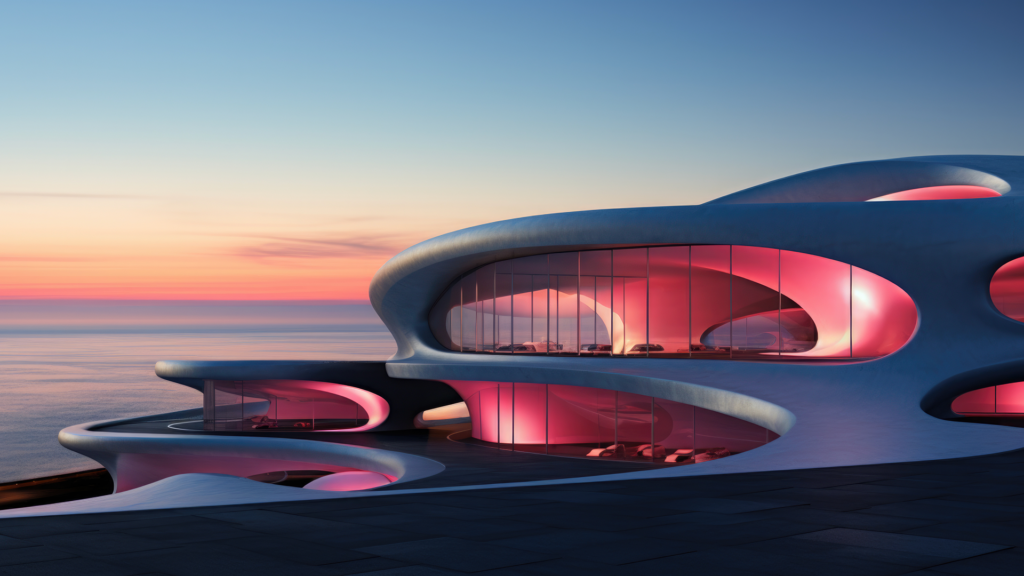
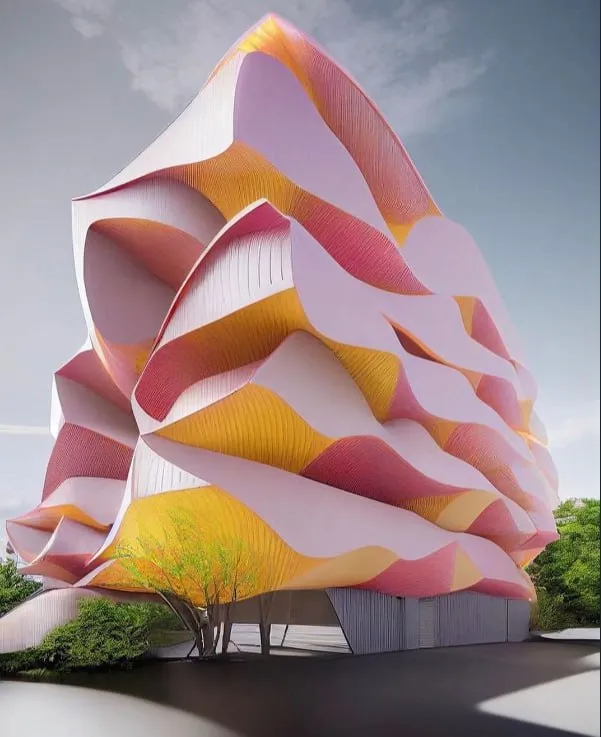
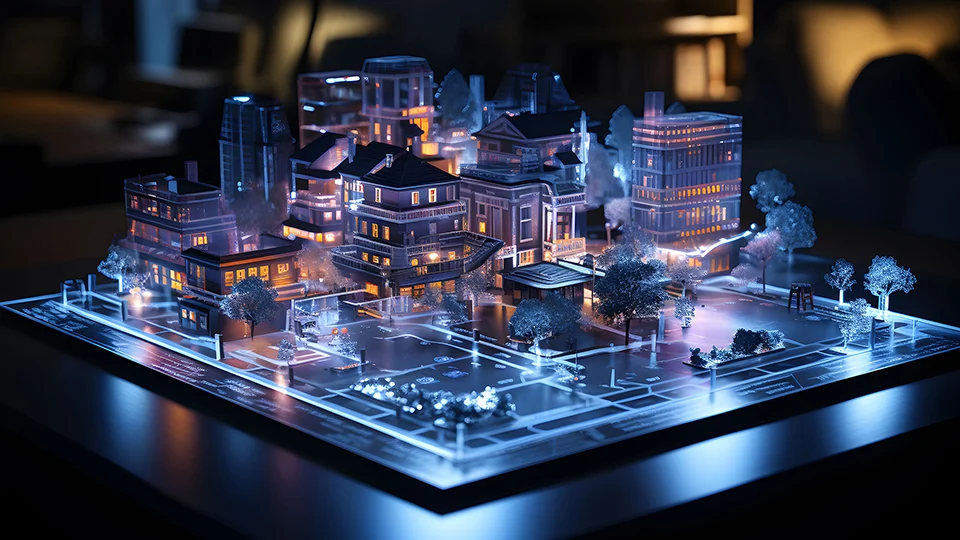
Also, AI can generate unrealistic or too futuristic images, making the space feel dreamy or ‘perfect’. But this is not always benefitial for architects. In my opinion, these renderings that AI generates can be used as an inspiration. However only relying on AI for architecture is not very realistic or logical long term. Although artificial intelligence can create visually impressive architectural renderings, these images are often unrealistic and difficult to reproduce in real construction. AI-generated designs may ignore structural limits, material behavior, or local building rules. As a result, translating such renderings into real buildings can be costly, time-consuming, or even impossible. This gap between appearance and practicality can mislead clients and reduce the reliability of AI as a design tool. Therefore, human expertise remains essential to ensure that architectural designs are realistic and buildable.