
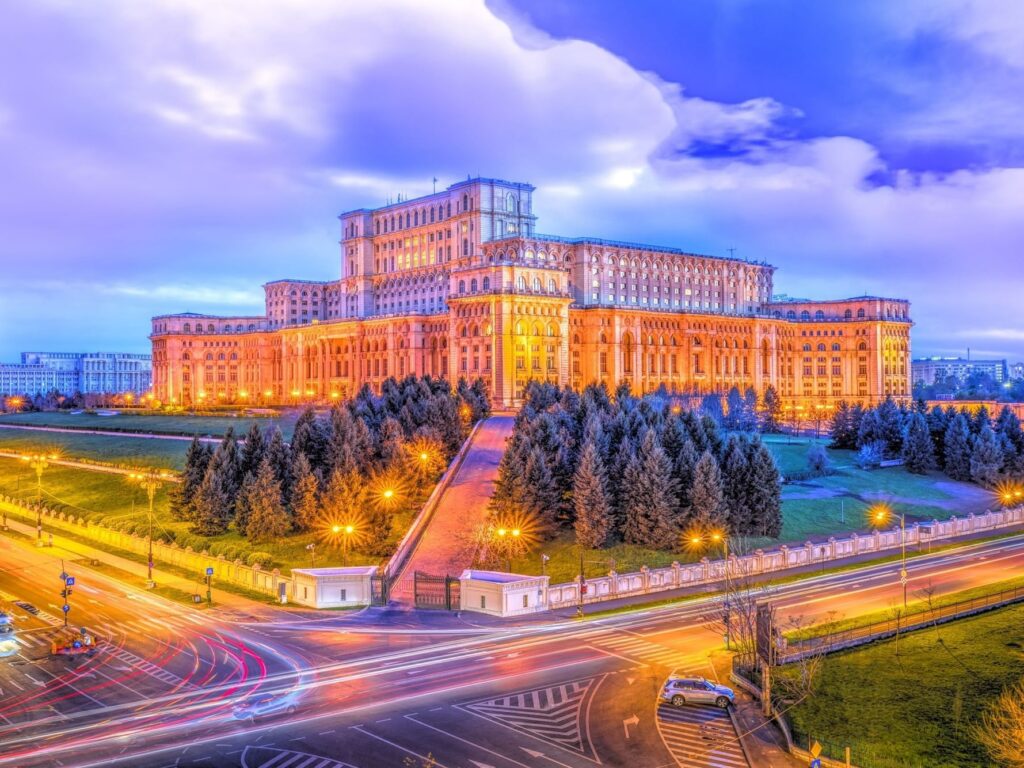
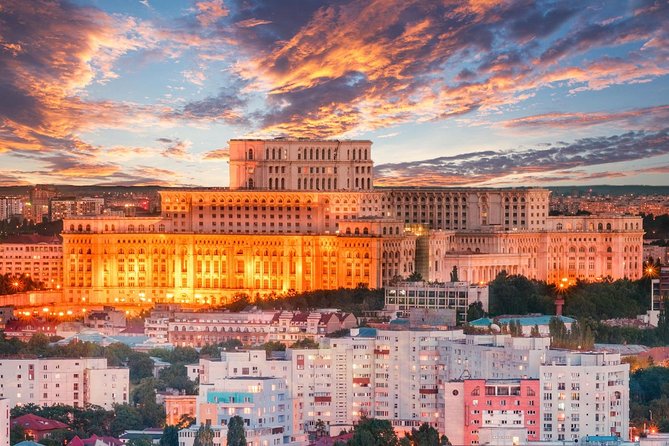
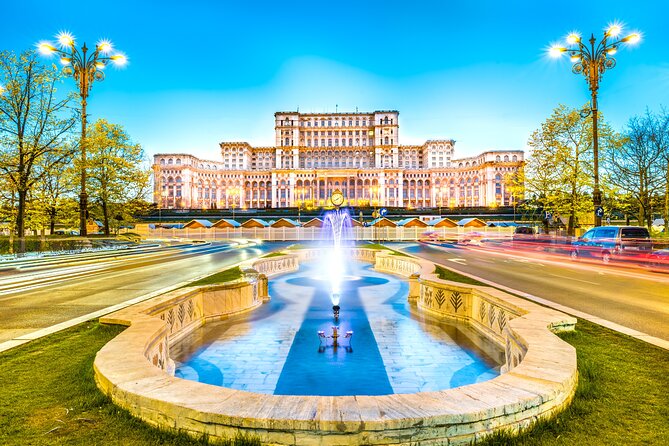
When we examine the Palace of the Parliament in Bucharest, its physical characteristics immediately reveal how the building interacts with energy, resources and the environment. In my opinion an ‘ideal’ building should be judged by both its appearance (structure) and sustainability because as architects, we should be careful while restoring the damage we do to our environment whilst building the building.
First, the Palace’s extremely thick stone walls suggest both strength and permanence. These walls help keep heat inside during winter and block heat in summer-which is great. However they are built without modern insulation so a lot of energy is still needed to heat and cool the interior at the same time. Therefore, adding insulation and better ventilation inside the walls would make the building much more energy efficient without changing how it looks from the outside.
The large size of the walls also affects sustainability. Many spaces are much bigger than needed, causing the building to use up a lot more energy for basic resources like lighting, heating, and cooling. Because of this, the building would benefit from dividing spaces into zones so energy can be used only on the essential spaces.
When we look at the roof we can see it is very wide and empty. This makes it very suitable for solar panels and this way the building’s massive scale could actually support renewable energy systems.
Inside the palace the rooms are rarely used. These areas consume energy even when not used due to maintenance. Therefore, turning these rooms into libraries, exhibition places or public areas would improve how efficiently the building is used.
Finally, the palace is separated from the city and surrounded by large open spaces with little greenery. This increases heat and also make the area and structure feel disconnected from nature. Adding green spaces and shaded areas would help cool the surroundings and make the building more environmentally friendly and more welcoming to people.
In conclusion, by simply observing the Palace of the Parliament, we can see that its sustainability problems come from its design choices. However, those same features -thick walls, large surfaces and massive scale- also create opportunities for improvement. With small but thoughtful changes, the building could become more sustainable while still keeping its strong and historic identity.

This made my day! Such a great post.