
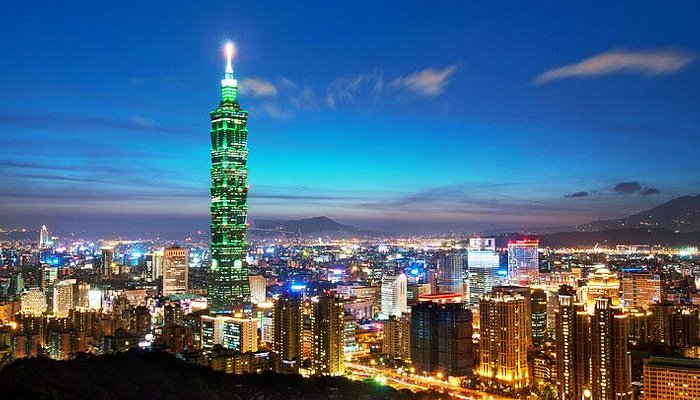
The other day I came across Alex Holland’s crazy climbing journey on Netflix. The crazy thing was that he was climbing the tower with no equipment whatsoever and even watching it made me feel dizzy. He climbed the skyscraper like it was nothing and he made it look easy. While watching the phenomenon I got the chance to see the building with up-close shots while Alex was climbing it. And I couldn’t help myself but write a blog about the building.
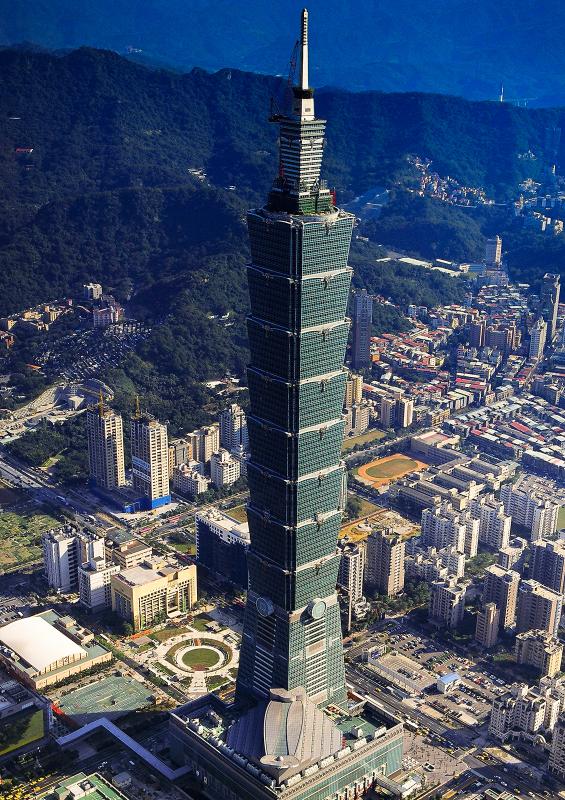
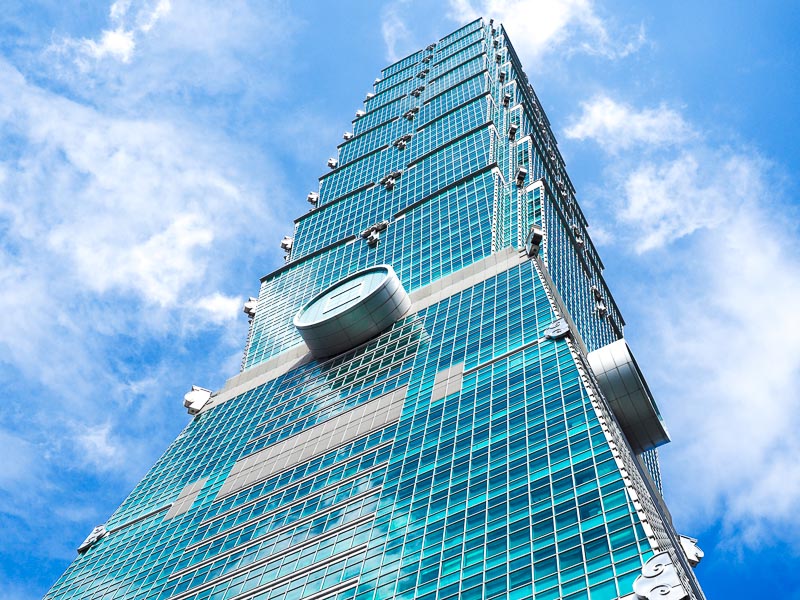
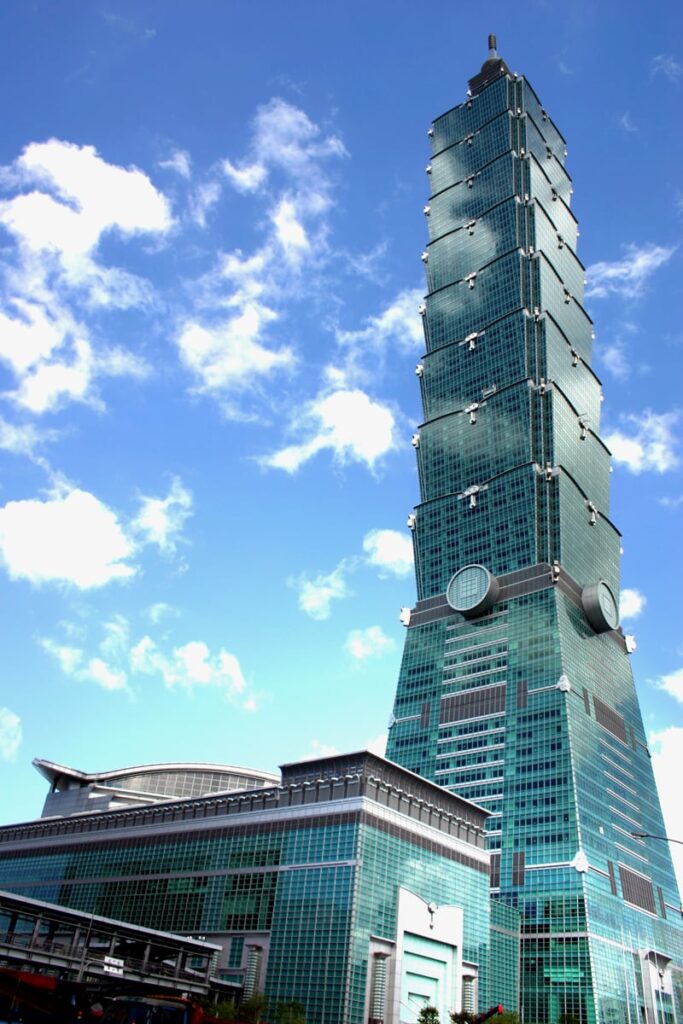
This is Taipei 101, a 508-meter-tall skyscraper in Taipei, Taiwan. Completed in 2004 and officially one of the tallest buildings in the world.The tower has 101 floors above the ground and 5 basements levels, which makes it insanely huge. Its design was inspired by traditional Chinese pagodas and bamboo, symbolizing growth and resilience. This is because bamboo is one of the fastest growing plants to ever exist, some even say that one can actually see the growth with their own eyes if looked carefully. Taipei 101 also held records for the world’s fastest elevators, traveling up to 60 km/h, and it was one of the first skyscrapers to receive LEED Platinum certification for sustainability after retrofitting its energy systems.
Some Facts About Taipei
Taipei is the capital and largest city of Taiwan, located in the northern part of the island. It is known for its mix of dense urban life and surrounding mountains. They made earthquake-resistant design a priority. The city has a humid subtropical climate with hot, humid summers and mild winters. Taipei is also a major center for technology and innovation, playing a key role in Taiwan’s global semiconductor and electronics industries. The city has a distinct balance between tradition and modernity.
My Addition to Taipei 101
Considering the weather and the structure, I think adding greens to the terrace would be a nice twist. While watching the program of Alex I realized that the terrace was super bland and it made me want to decorate it. It looks like there is something missing or it is under a construction with the blank white surface. The Taipei serves a mixed-used skyscraper, meaning it serves several functions at once. It includes a large shopping mall with luxury brands, restaurants and cafes. Upper floors are dedicated to public observation decks and attracts millions of tourists each year and offer panoramic views of Taipei. It is also used for cultural and public events, and office spaces. With it being mixed-use, it creates an opportunity for new ideas. In my opinion, some of the terrace parts can be used as cafes due to the fact that it has a gorgeous view that can attract a lot of people. Combined with greenery, the terrace can be an ethereal experience for people.
Interior Design of Taipei 101
The interior of Taipei 101 is similar to a simple shopping we can encounter anywhere in my home country Turkey. Yet it has a lot of potential that can attract thousands of people. As soon as I saw the interior I had one thought; this has so much potential. And it’s simple. Adding a zen garden.
“What is a zen garden?” you might ask. A glass-covered indoor Zen garden is a modern interpretation of the traditional Zen garden, often placed at the center of a house. Enclosed by glass walls or a glass roof, it allows natural light in while remaining protected from the outdoors. Rather than being used physically, it acts as a visual calm zone, bringing stillness, balance, and a connection to nature into the heart of the home. Inside Taipei 101, a Zen garden can be used in a simple and modern way. Instead of a real outdoor garden, it could be a glass-enclosed indoor space with stones, calm colors, soft light, and very little decoration. This quiet space would create a strong contrast to the busy, fast-moving feeling of a skyscraper. It would give people a place to pause, relax, and feel calm, while also reflecting ideas of balance, simplicity, and harmony found in Zen design. My inspiration pictures are down below.
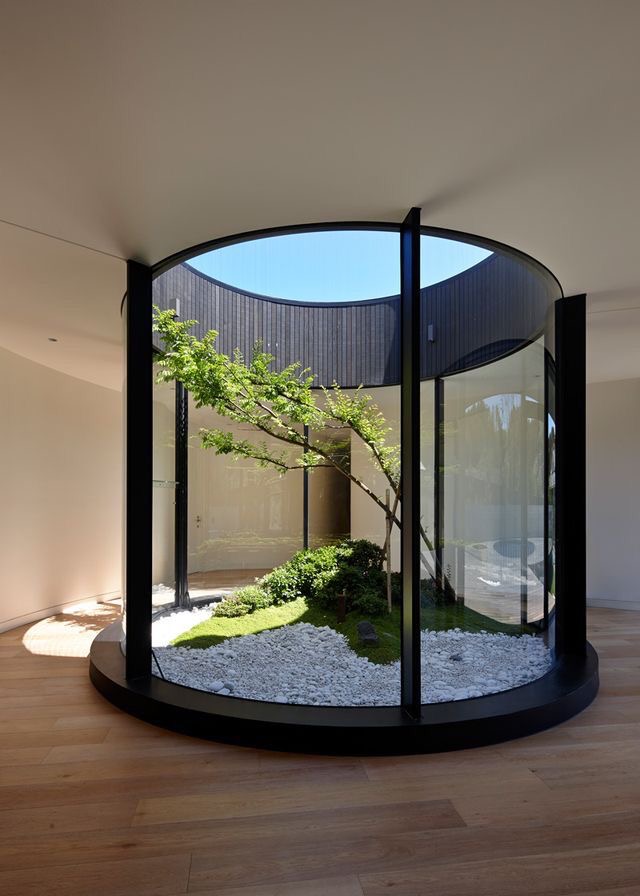
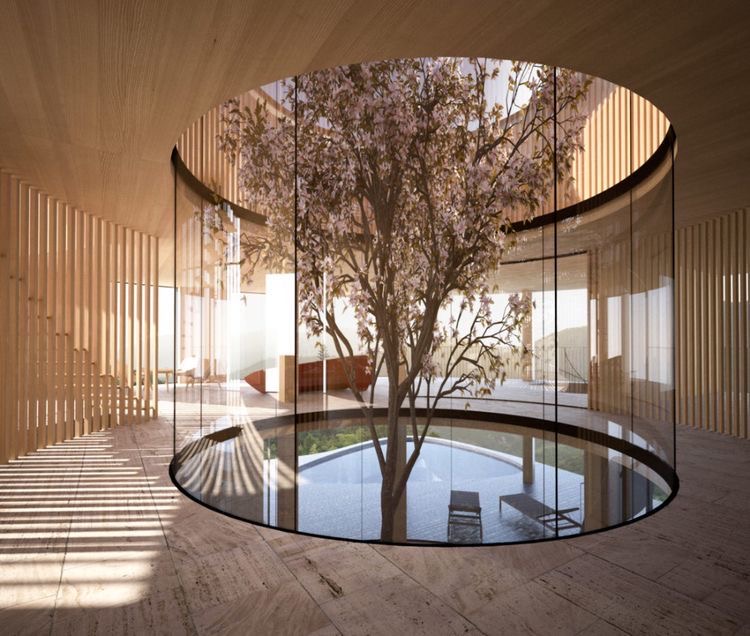
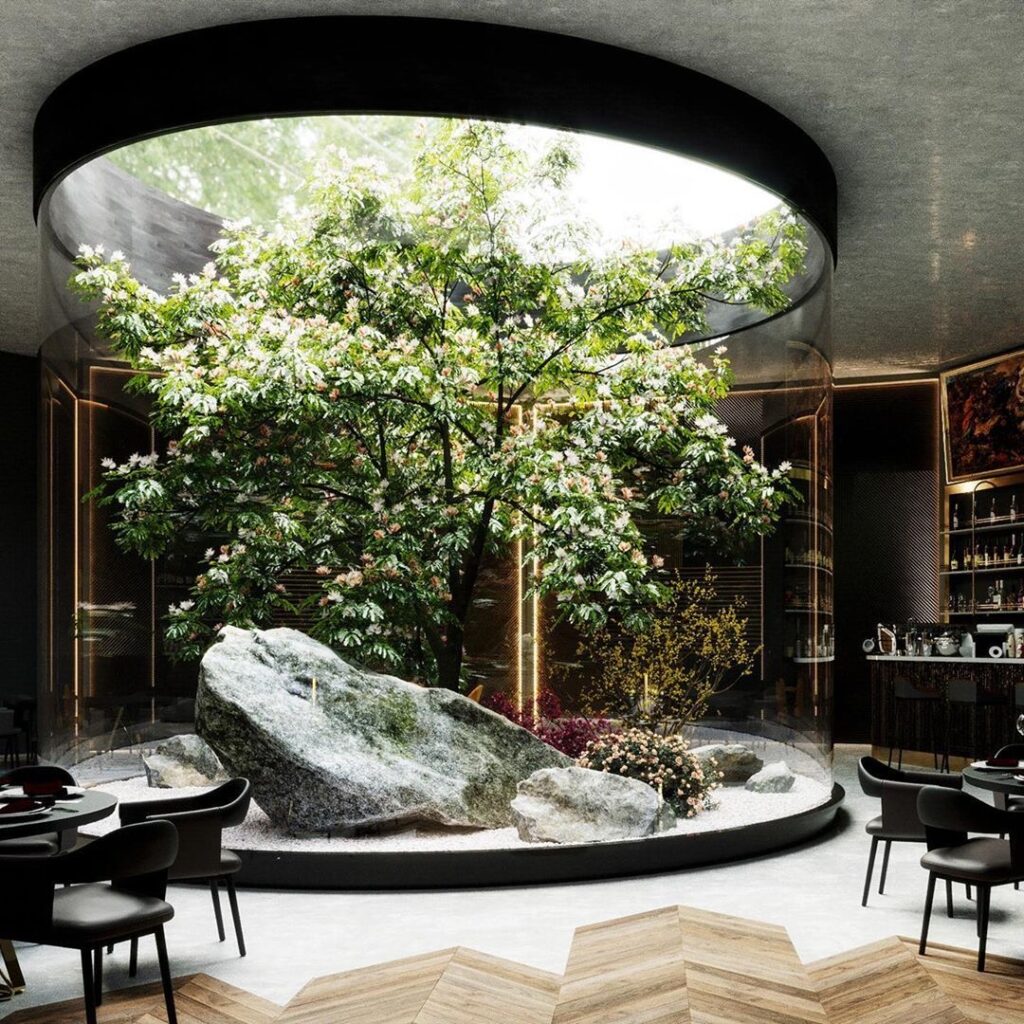
Material Gradient (İnterior)
The interior of Taipei 101 can be designed as a vertical material journey. What I mean by this is that at the lower levels, heavier and more grounded materials such as stone, concrete and textured surfaces can be used to create a feeling of stability and being connected to the base of nature and the earth. However as visitors move upward, these materials are going to gradually change as they travel though the ‘layers of atmosphere’ (this idea came from the fact that we were learning the layers of atmosphere in geography lesson today) even though they are not really traveling through them. The materials used on the upper levels can gradually shift into wood, warm composites, and softer finishes, introducing comfort and human scale within the dense structure. Near the upper floors, the interior becomes lighter and more minimal, using fabric panels, metal mesh, and glass to reflect air, light, and openness.
This gradual transition also mirrors the experience of moving from ground to sky, turning vertical circulation into an emotional rather than just a movement. The material gradient also supports the Zen ideas— letting go of weight, noise and complexity of the building, Instead of being the same in every floor, this gradual transition helps the structure to tell a different story in every floor.
Additionally, the escalators could be designed using transparent glass, allowing users to visually and physically experience the vertical transition of the building. As they move upward, the surrounding materials, lighting, and textures would gradually change—becoming lighter, softer, and more minimal. This slow transformation makes the journey itself meaningful, allowing people to feel the shift through the building, much like moving through the layers of the atmosphere, rather than simply being transported from one floor to another.
Conclusion
In conclusion, rethinking the interior of Taipei 101 shows how a tall, fast-paced building can also feel calm and human. Through gentle material changes, soft lighting, and slow vertical movement, the interior becomes an experience rather than just a structure. This design approach proves that even the tallest skyscrapers can offer moments of quiet, balance, and emotional comfort within the city. On the other hand, rethinking the exterior of Taipei 101 allows the tower to feel more connected to its environment rather than separate from it. Through gradual changes in material, light, and form, the building can express calmness even at an extreme height. This approach shows that a skyscraper can be both iconic and gentle, responding to the sky, the city, and the people who experience it every day.

This is fantastic! Bookmarking this for later.
So cool! I learned something new today.